
Spiders in North Texas
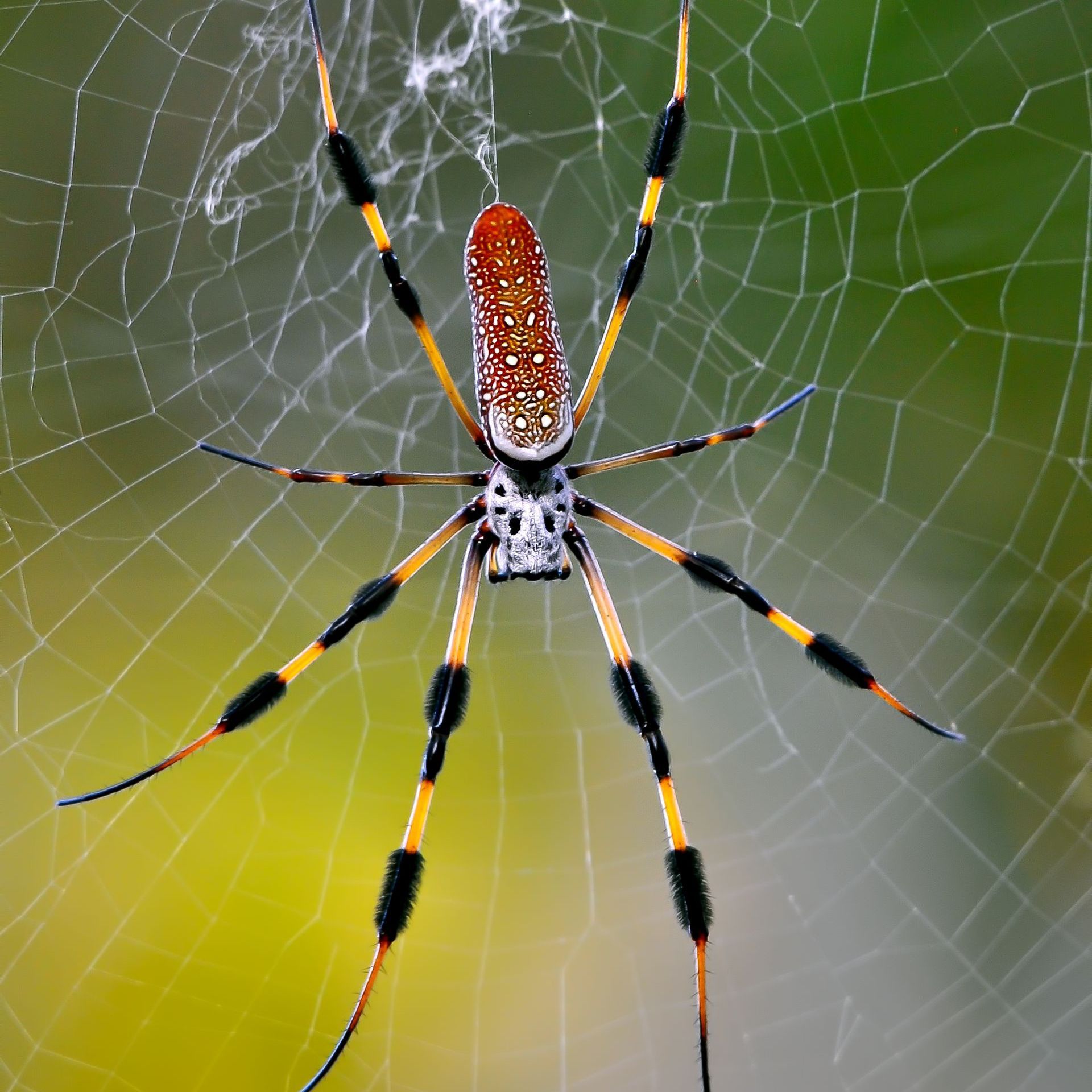
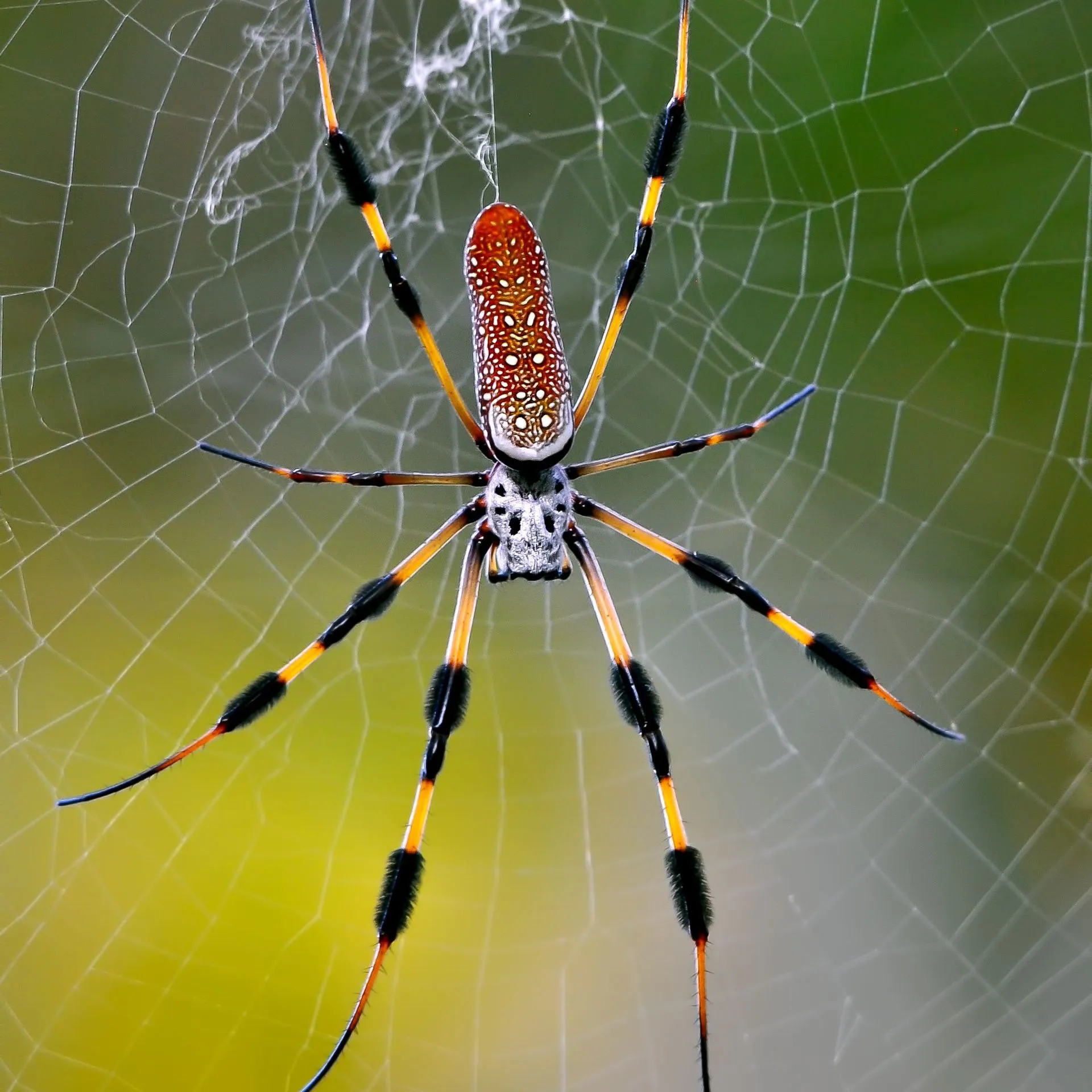
Characteristics:
- Golden silk orb-weaver spiders are known for their impressive webs, which are large and often have a golden color
- Females significantly larger than males; bodies reach 2+ inches
Web Structure:
- Intricate orb webs featuring distinctive golden silk for capturing flying insects
Habitat:
- Found in warm, tropical regions including Asia, Africa, Australia, and the Americas
Venom:
- Possess venom but generally harmless to humans; not medically significant
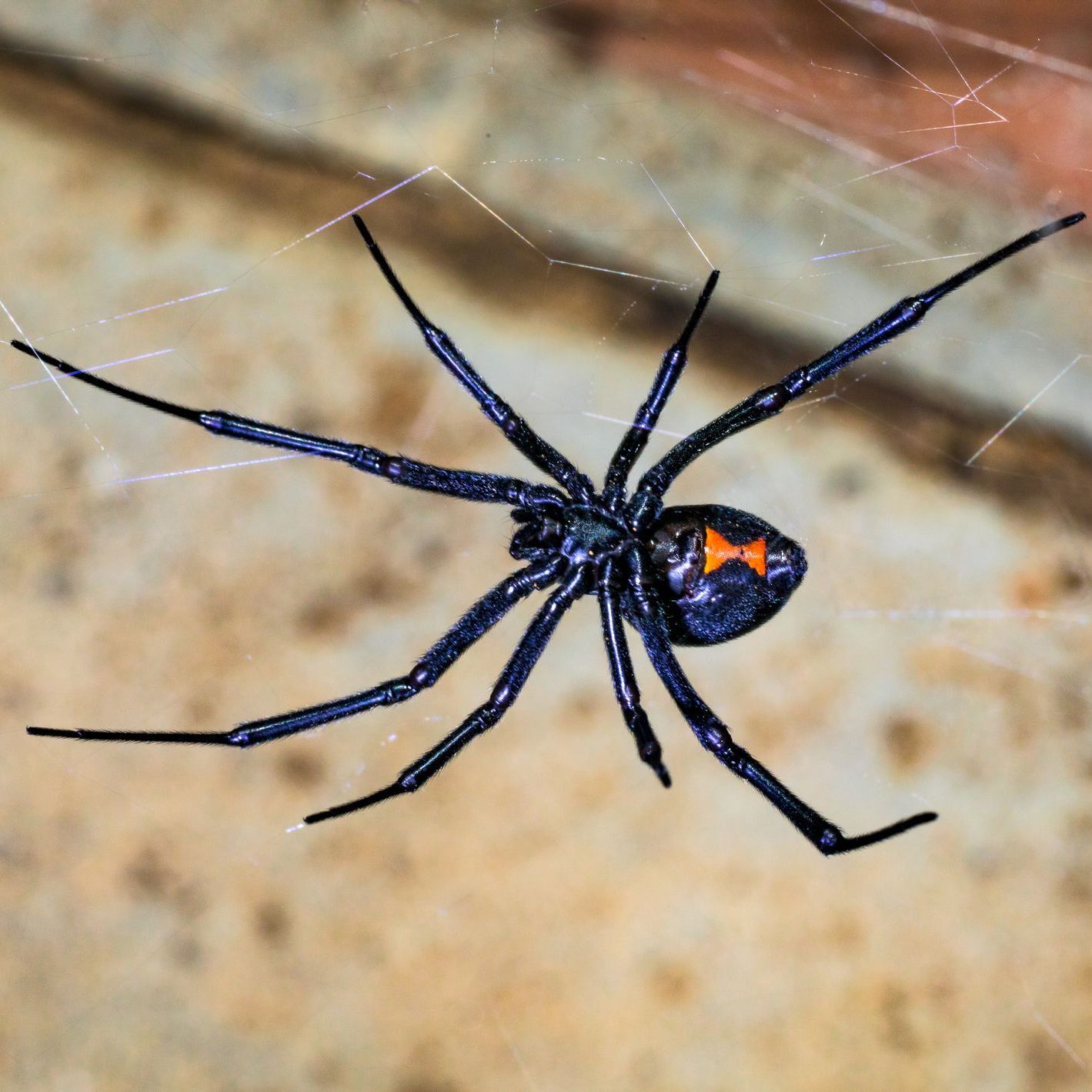
Identification:
- Shiny black females with distinctive red/orange hourglass marking on abdomen
- Males and immature females display red, yellow, or white spots/bands
Venom:
- Contains neurotoxins; potent but rarely lethal
- Bites can cause severe pain, muscle cramps, fever, and other symptoms
Habitat:
- Found in various habitats, including outdoor locations such as woodpiles, debris, and gardens, as well as indoor spaces
- Construct irregular, tangled webs with funnel-like retreats
Web Structure:
- Sticky, irregular webs typically located close to ground level
Diet:
- Feed on insects and small arthropods trapped in webs
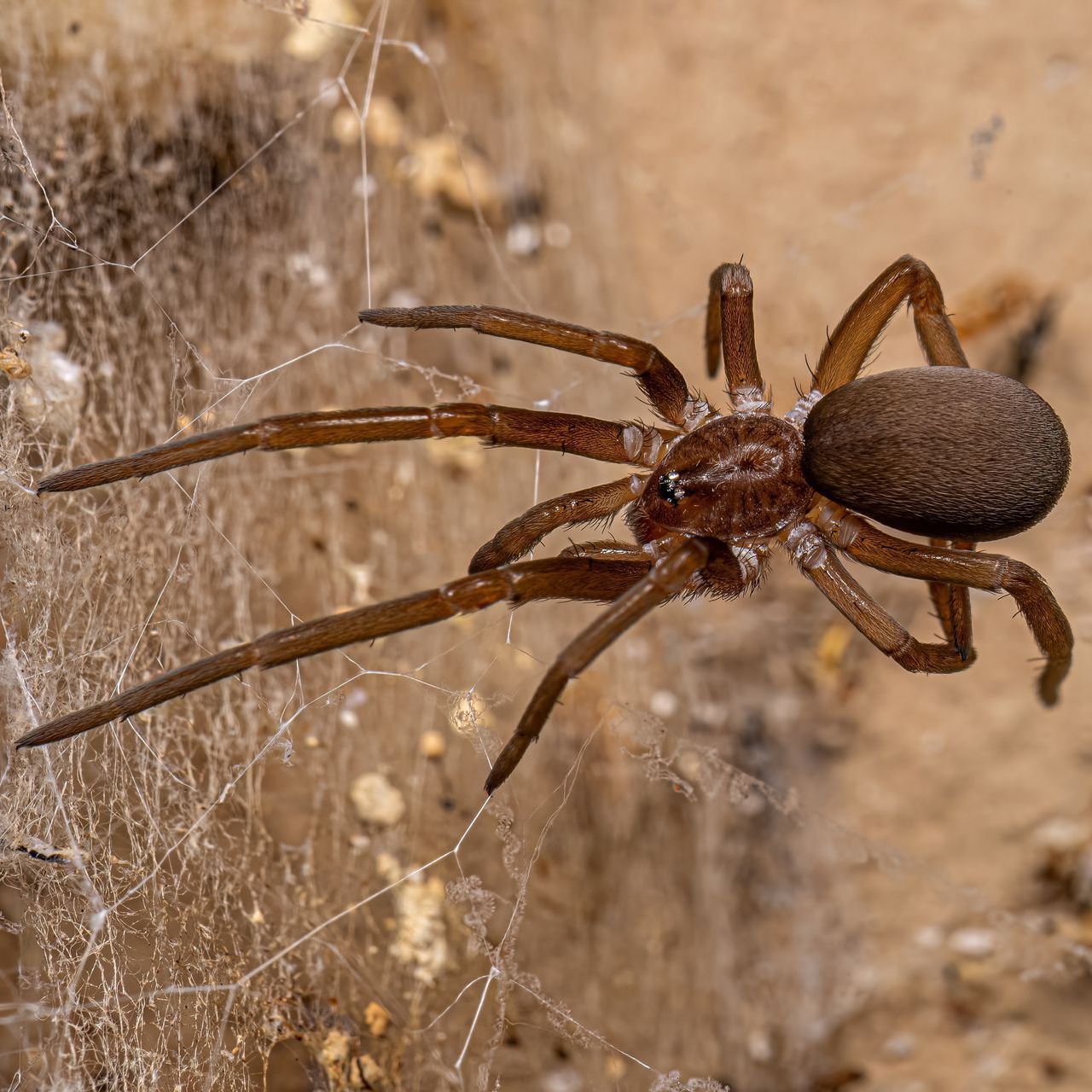
Appearance:
- Small spiders; females 5-9mm body length
- Brown or grayish with lighter abdominal markings
- Males smaller and lighter colored
Habitat:
- Found in and around human structures, including homes, sheds, garages, and other buildings
- Create irregular, messy webs in corners and windowsills
Diet:
- Opportunistic feeders consuming small trapped insects
- May feed on other spiders or small arthropods
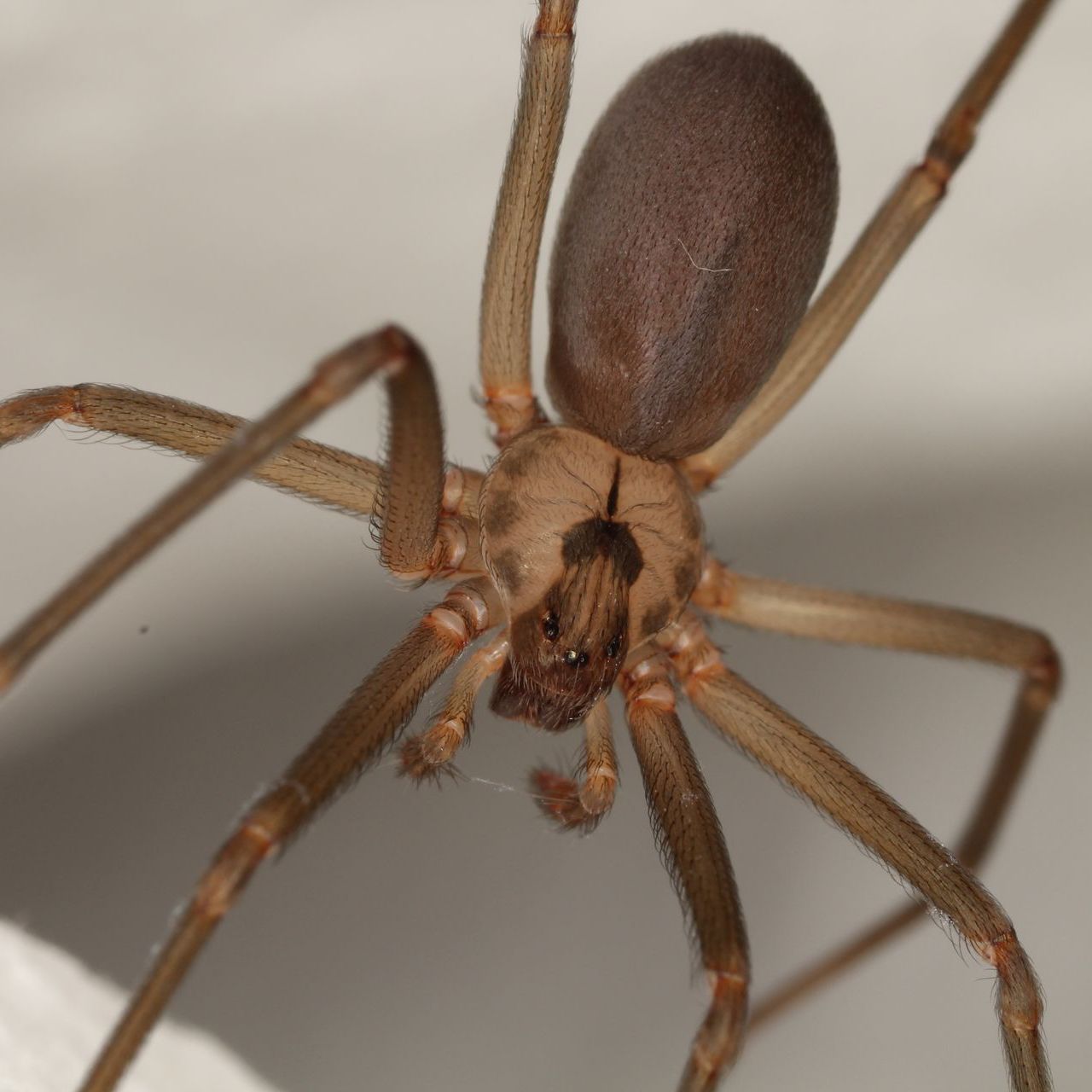
Appearance:
- Small body length: 6-20mm
- Distinctive violin-shaped marking on its cephalothorax
- Coloration ranges from tan to dark brown
Habitat:
- Often found in dark, undisturbed areas such as closets, attics, basements, and crawl spaces
- Prefer sheltered, reclusive locations
Web Structure:
- Build irregular webs in hidden locations near ground level
Venom:
- Enzymes cause necrosis at bite site
- Bites may develop “bull’s-eye” appearance
- Severe reactions rare; seek medical attention if needed
Diet:
- Feed on small insects and arthropods
Identification:
- Requires careful examination of physical features
- Misidentifications are common with harmless spiders
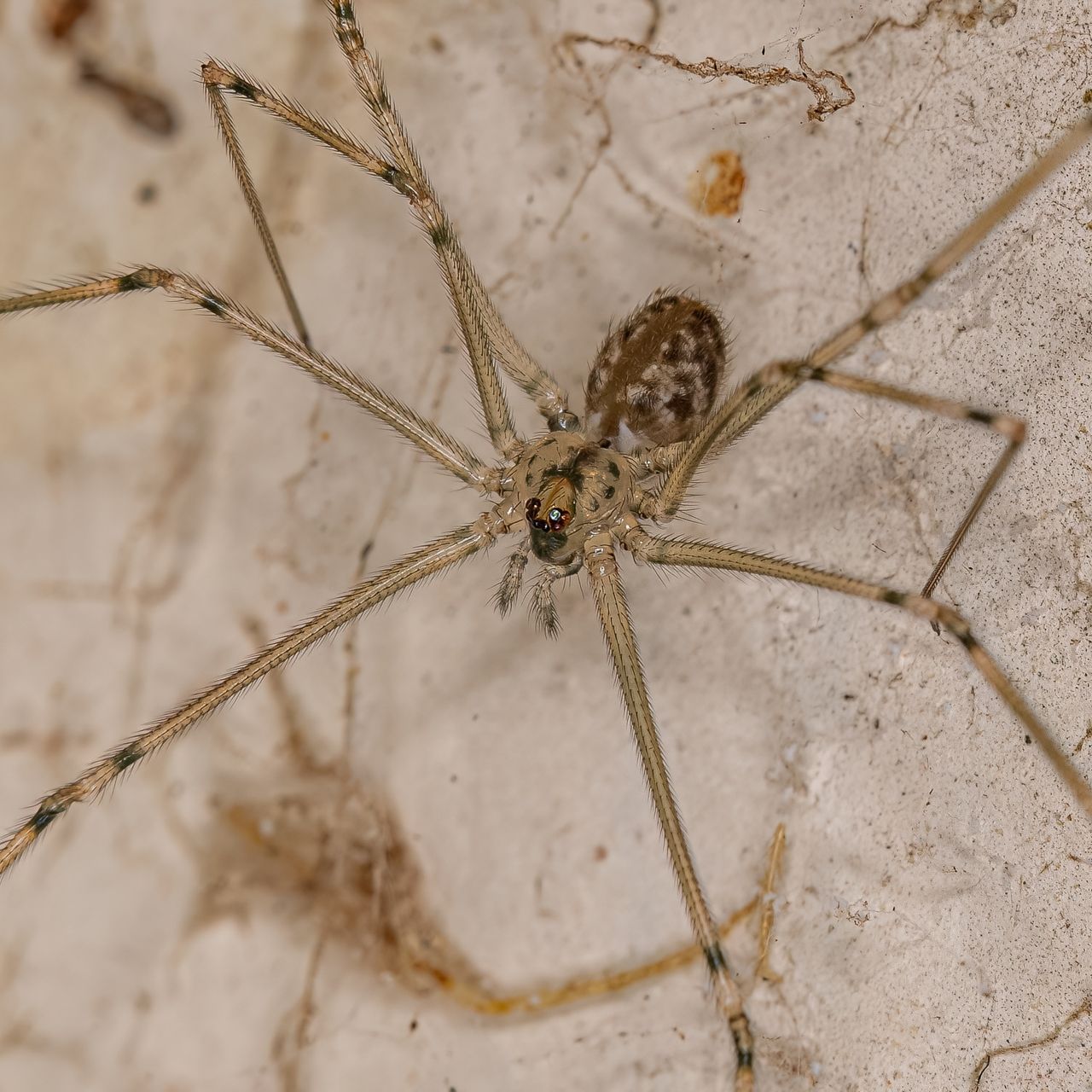
Appearance:
- Small bodies: less than 1/4 inch (6mm)
- Long, thin legs that can extend several times the length of their bodies
- Pale yellow to light brown coloration
Habitat:
- Often found in dark and damp environments, such as basements, cellars, crawl spaces
- Inhabit room corners, sheds, and structures
Venom:
- Venomous but harmless to humans
- Bites rare with mild reactions
Identification:
- Often mistaken for harvestmen (daddy longlegs), which aren’t true spiders
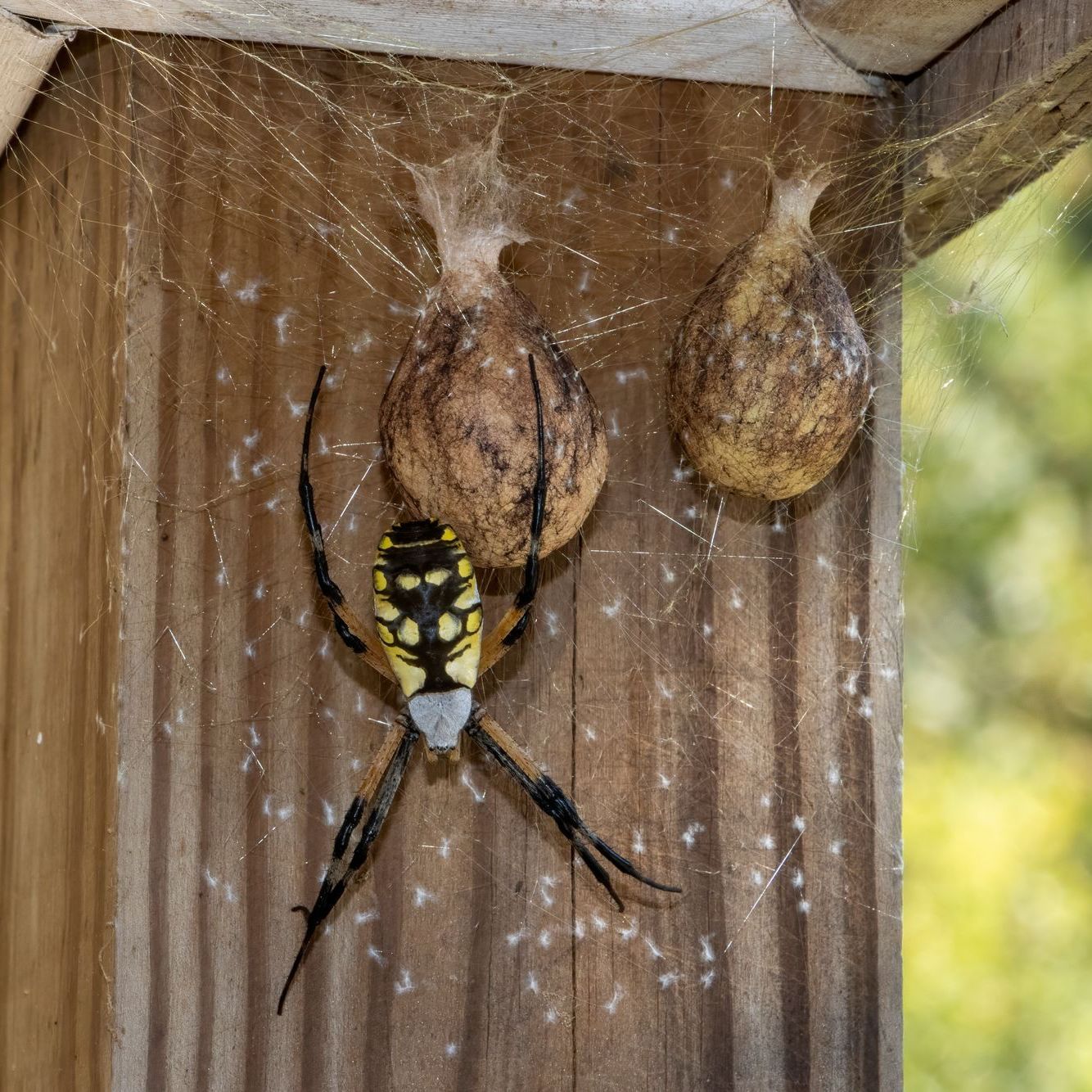
Appearance:
- Females: 0.5-1 inch body length; males smaller and slender
- Female abdomen displays striking yellow/black pattern
- Banded legs in yellow/black or orange/black
Habitat:
- Commonly found in gardens, meadows, fields, and sunny areas with abundant vegetation
- Build large orb-shaped webs for capturing flying insects
Webs:
- Large, circular webs with distinctive zigzag “stabilimentum” pattern
- Pattern may attract prey or warn birds away
Diet:
- Feed on flying insects including bees, butterflies, moths
- Active hunters in web centers
Venom:
- Venomous but harmless to humans; designed for insect immobilization
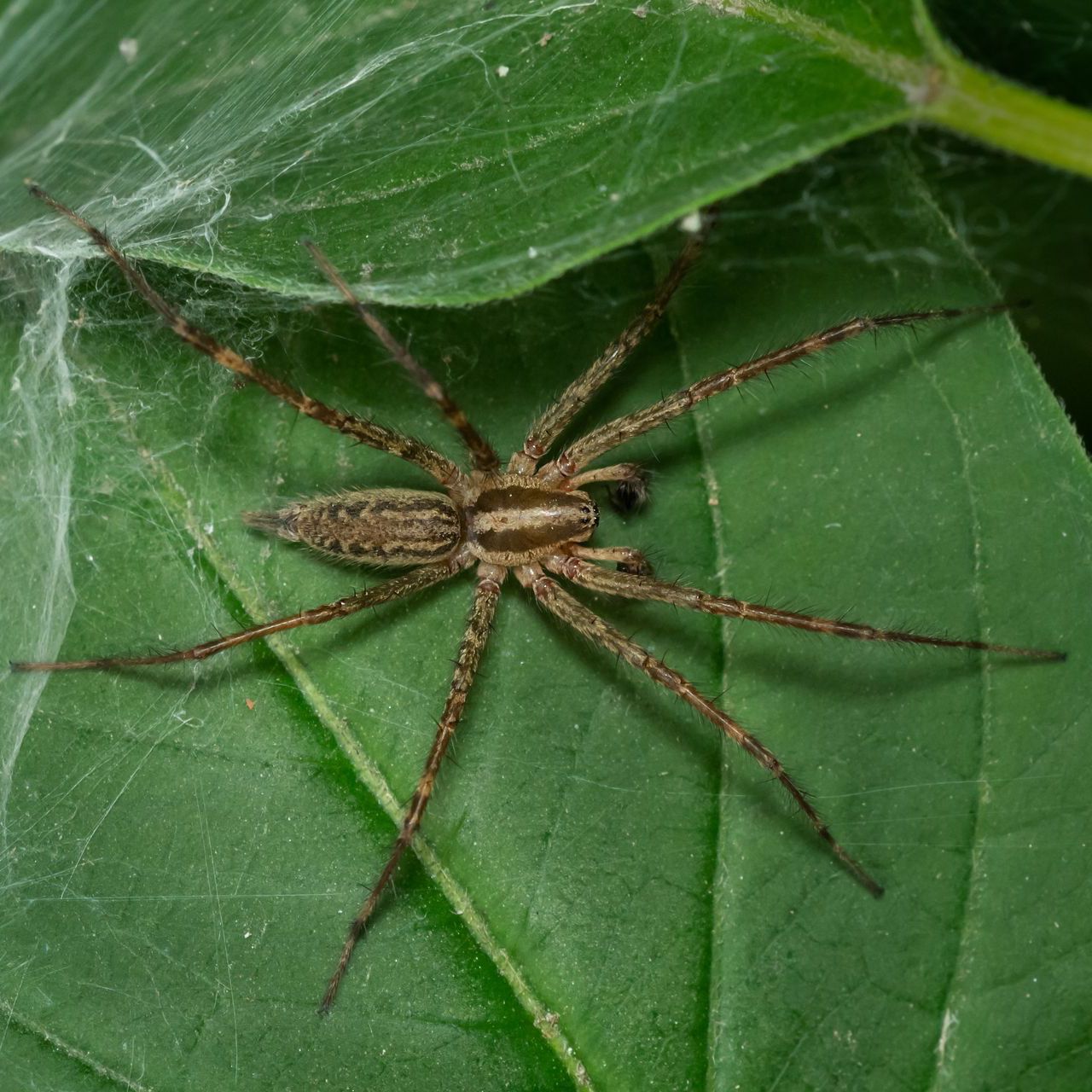
Appearance:
- Medium-sized with elongated cephalothorax and abdomen
- Long, slender legs
- Brown, tan, or gray with striped carapace patterns
Habitat:
- Commonly found in grassy areas, meadows, gardens, and other outdoor environments
- Ground-dwelling spiders
Webs:
- Distinctive funnel webs with flat sheet structure and tubular retreat
- Spider waits for vibrations signaling prey
Diet:
- Feed on small insects: flies, mosquitoes, grasshoppers
Venom:
- Not harmful to humans; bites rare with mild reactions
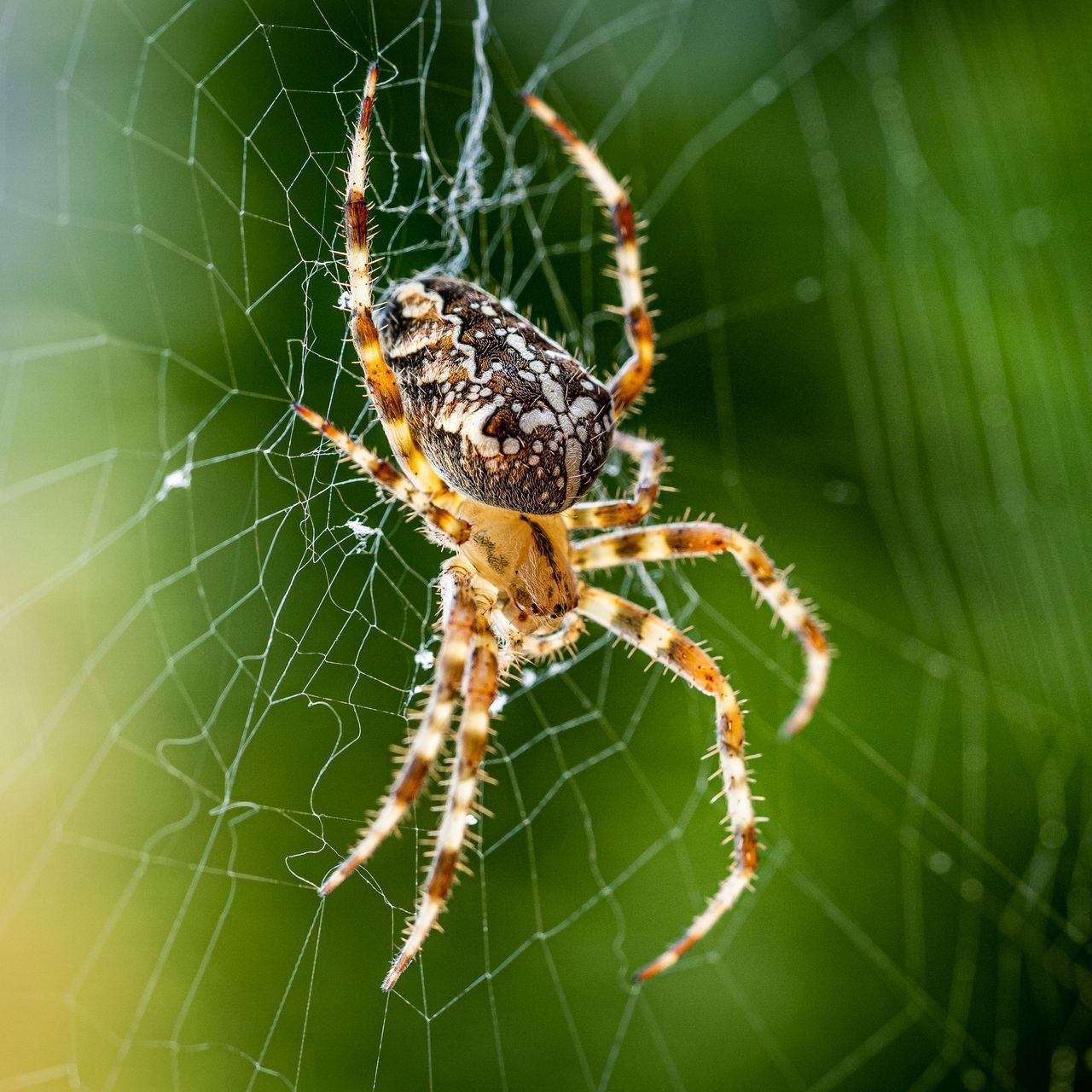
Appearance:
- Rounded abdomen and eight long legs
- Some species have distinctive markings: crosses, dots, zigzags
- Females often larger than males
Habitat:
- Found in a variety of habitats, including gardens, forests, meadows, and shrublands
- Suspend large circular webs between vegetation
Webs:
- Well-known circular webs effective for trapping flying insects
- Positioned to intercept prey; some species rebuild daily
Diet:
- Primarily insectivorous; capture moths, flies, beetles
Venom:
- Venomous but typically harmless to humans
- Bites rare with mild, localized reactions
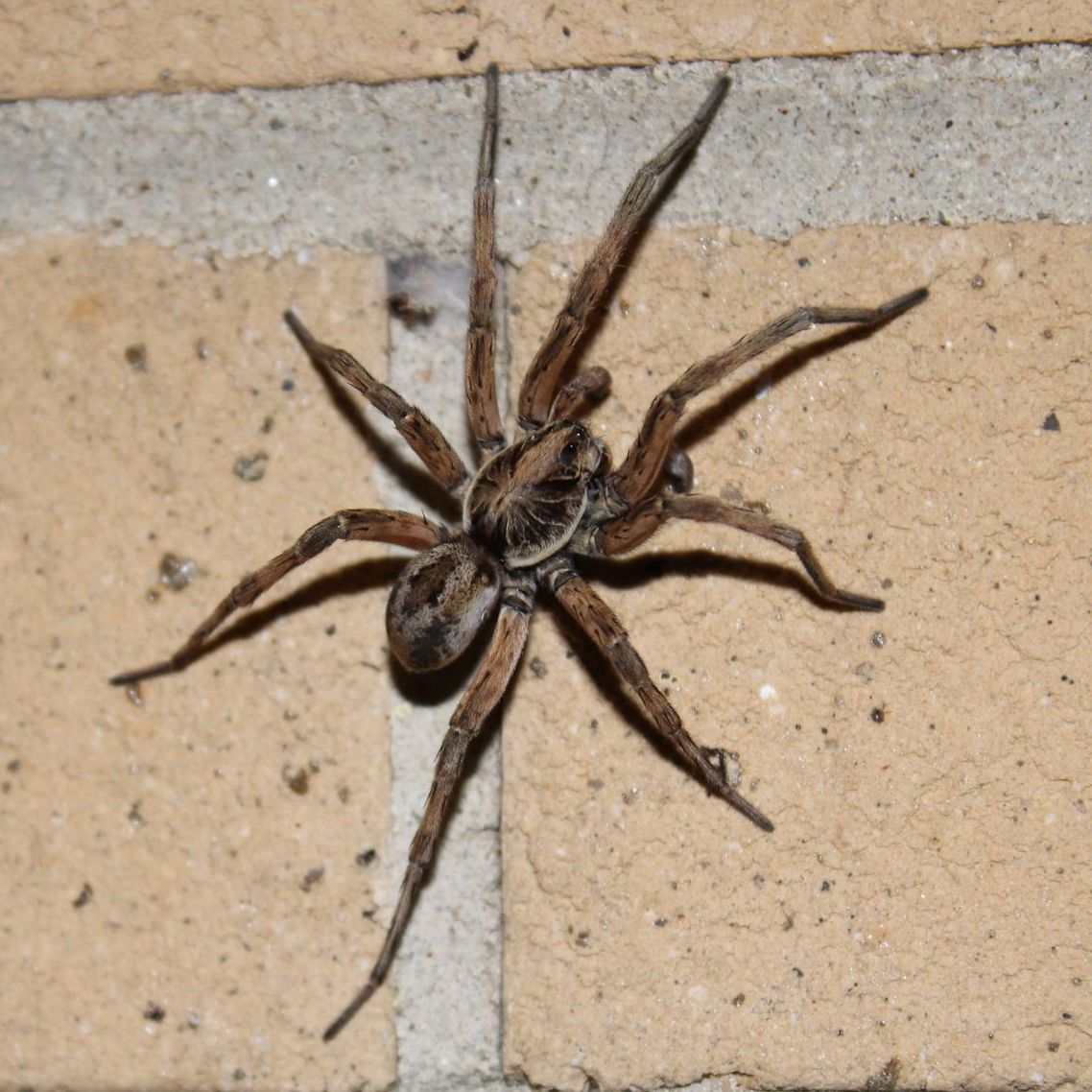
Appearance:
- Robust, hairy spiders; body length 0.4-1.6 inches
- Eight eyes in three rows with distinctive middle row pattern
- Brown, gray, or black coloration for camouflage
Habitat:
- Found worldwide and inhabit a variety of environments, including grasslands, forests, deserts, and urban areas
- Commonly encountered on ground
Hunting Behavior:
- Active stalkers and pouncer hunters rather than web-builders
- Keen eyesight aids prey location and capture
Venom:
- Not harmful to humans
- Bites may cause localized pain, redness, and swelling, but severe reactions are rare