
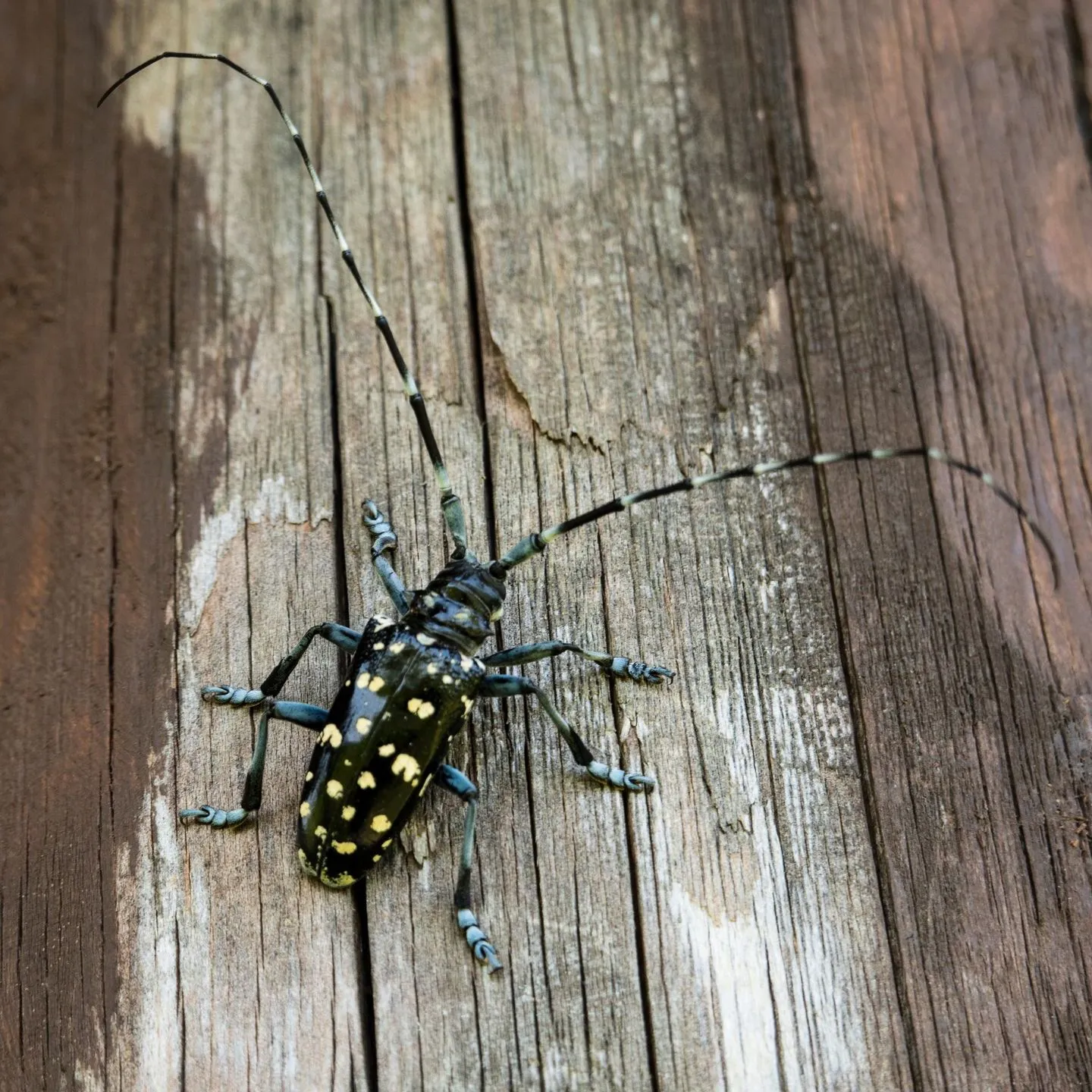
Beetles in North Texas
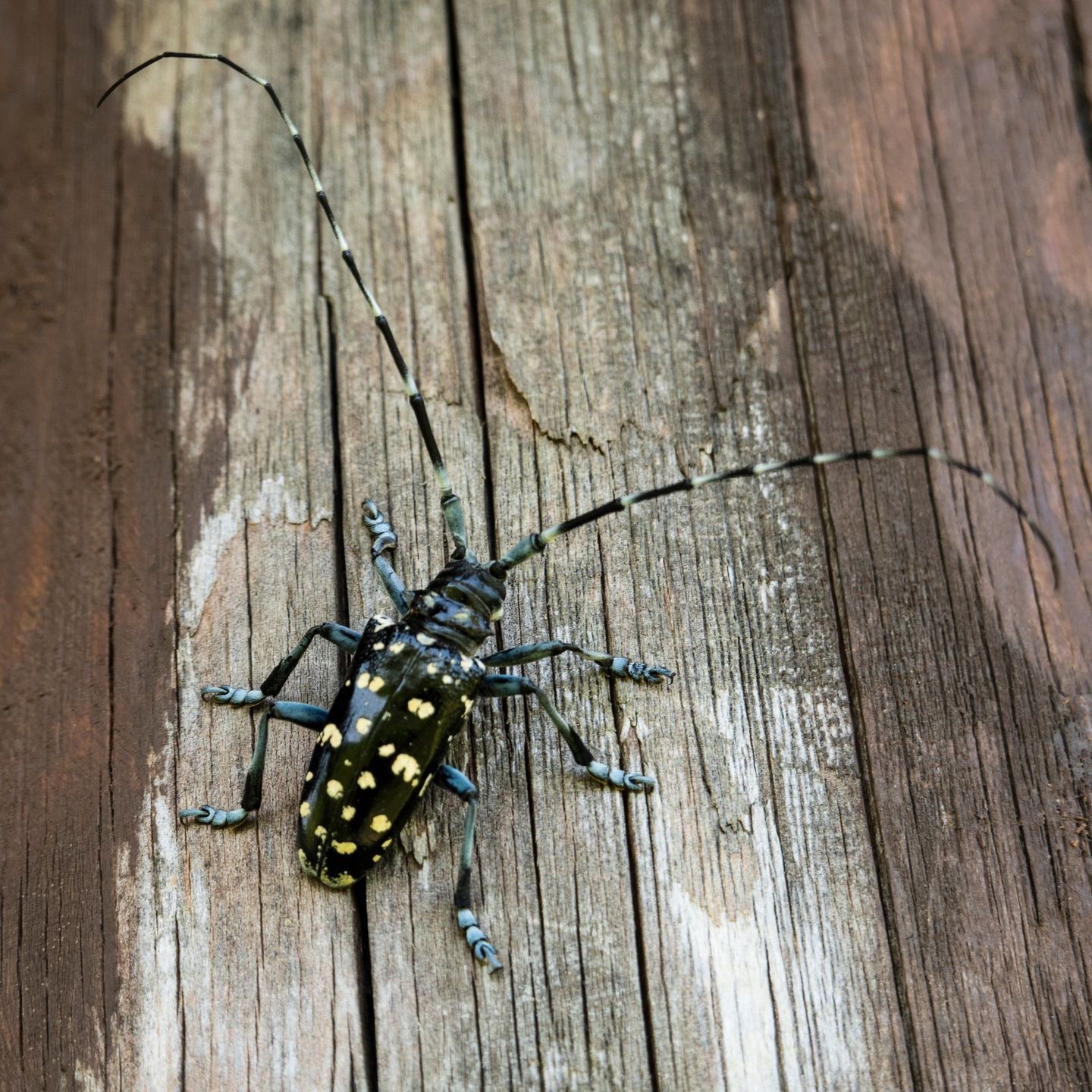
Physical Characteristics:
- Distinctive shiny black body with white spots
- Long antennae up to twice body length
- Adults range 1 to 1.5 inches (2.5 to 3.8 cm)
Life Cycle:
- Four stages: egg, larva, pupa, adult
- Females lay eggs in bark depressions
- Larvae tunnel and feed on wood, creating galleries
- Pupation occurs inside trees; adults chew exit holes
Host Trees:
- Targets hardwoods: maples, birches, poplars, willows
- Causes significant damage leading to decline or death
Damage:
- Larval feeding disrupts vascular systems
- Results in wilting, leaf yellowing, branch dieback
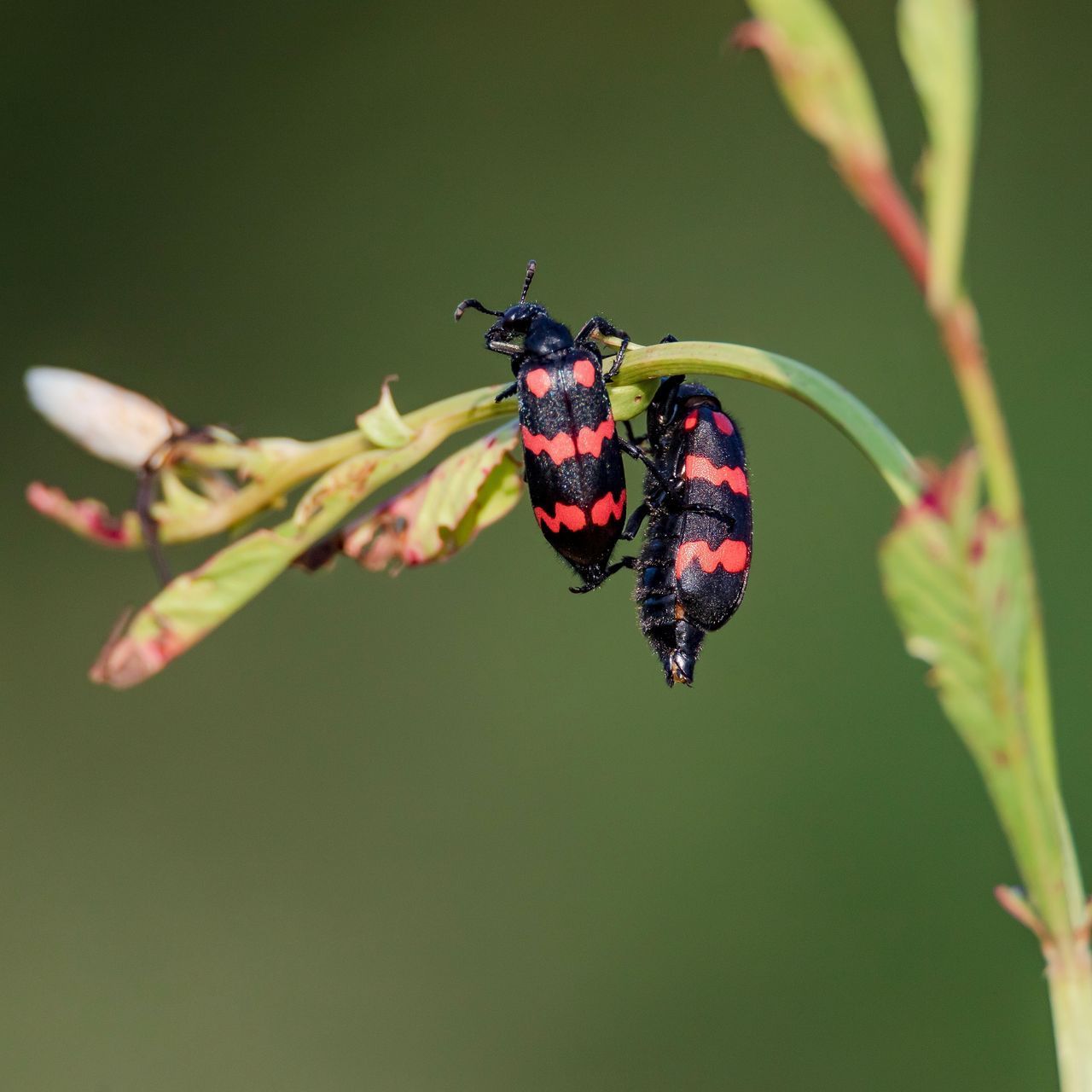
Appearance:
- Elongated, soft-bodied insects
- Colors: metallic blue, green, yellow, red, or black
- Some species have distinctive patterns on wing covers
Diet:
- Adults feed on flowers, leaves, pollen
- Larvae often parasitic on grasshopper eggs or bee nests
Cantharidin Production:
- Produces toxic defense chemical
- Causes skin blisters upon contact
- Lethal when ingested by predators
Habitat:
- Grasslands, meadows, agricultural areas
- Attracted to flowering plants
Interaction with Livestock:
- Cantharidin toxic to animals
- Ingestion in hay can cause illness or death
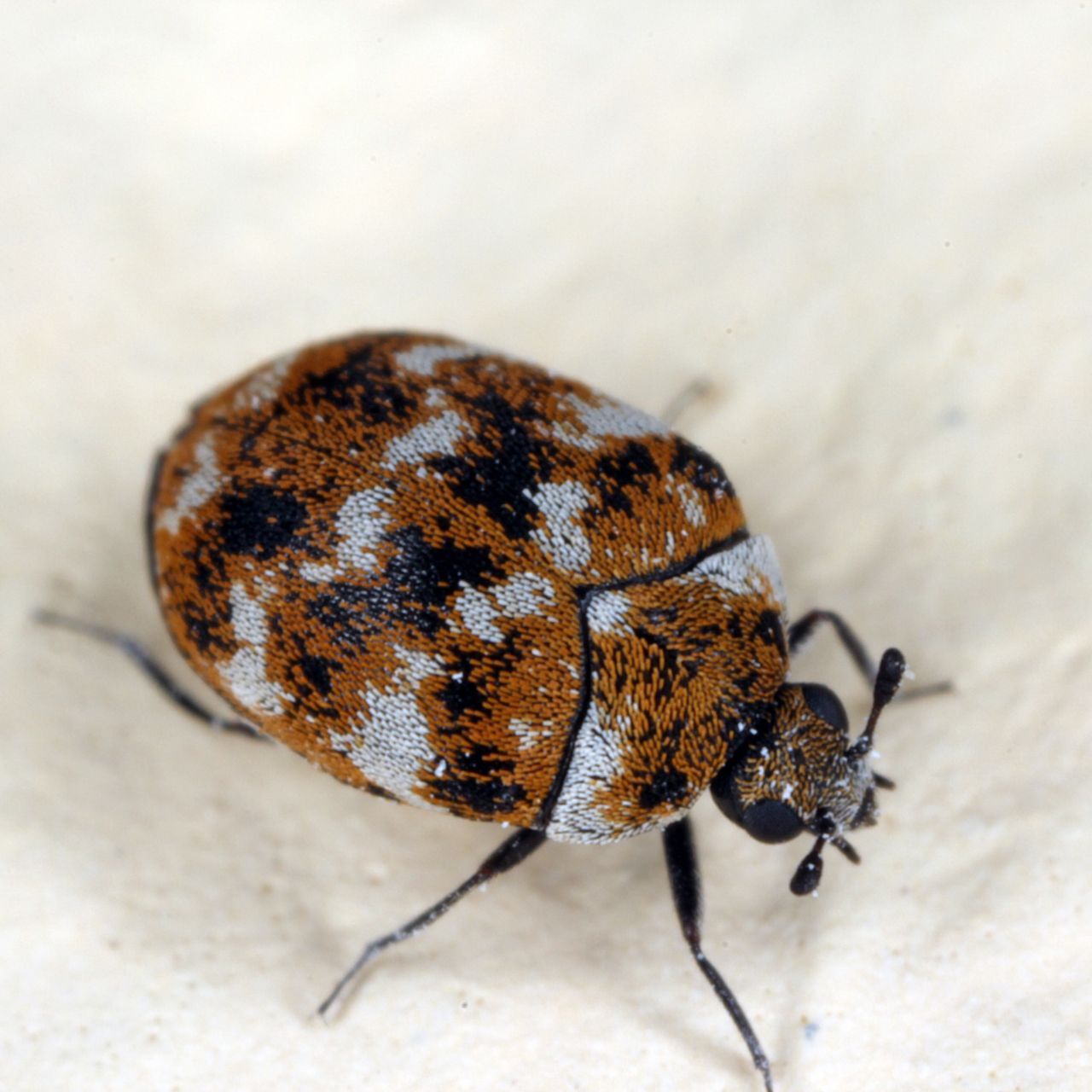
Appearance:
- Small, oval-shaped insects
- 2 to 5 millimeters in length
- Species include black, varied, and furniture carpet beetles
Diet:
- Larvae consume wool, silk, feathers, leather, fur, stored foods
- Adults feed on nectar and pollen
Damage:
- Larvae damage textiles, carpets, clothing, natural fiber items
- May infest stored grains, cereals, pantry items
Habitat:
- Homes, museums, indoor environments
- Areas with abundant preferred food sources
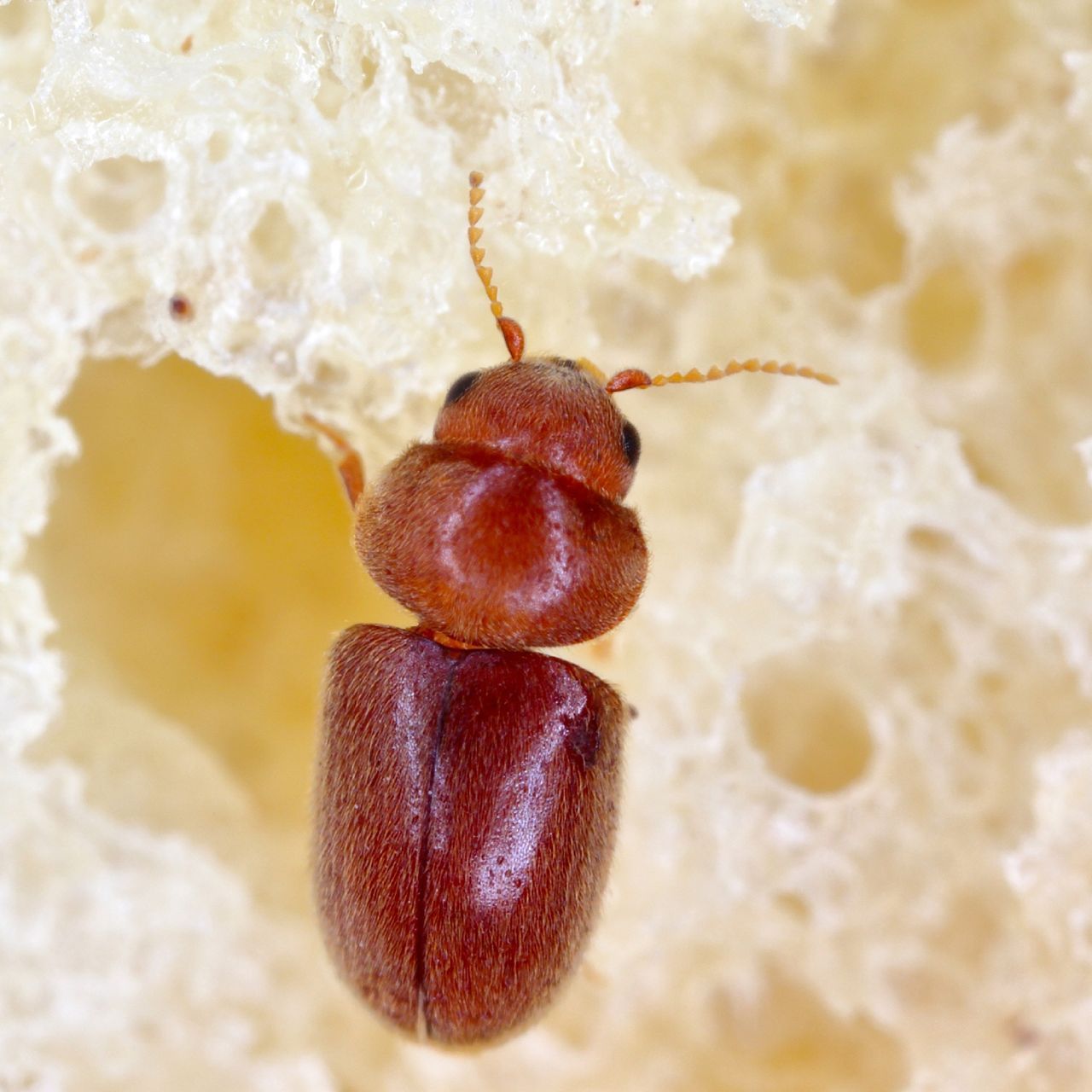
Appearance:
- Small: 2 to 3 millimeters long
- Compact, oval-shaped body
- Light to reddish-brown coloration
Habitat:
- Stored tobacco, grains, cereals, dried fruits, spices
- Pet food, dried flowers, museum specimens
Diet:
- Larvae feed on tobacco, cereals, spices, dried fruits
- Target plant-origin products
Damage:
- Larvae tunnel and feed on stored products
- Causes contamination and quality loss
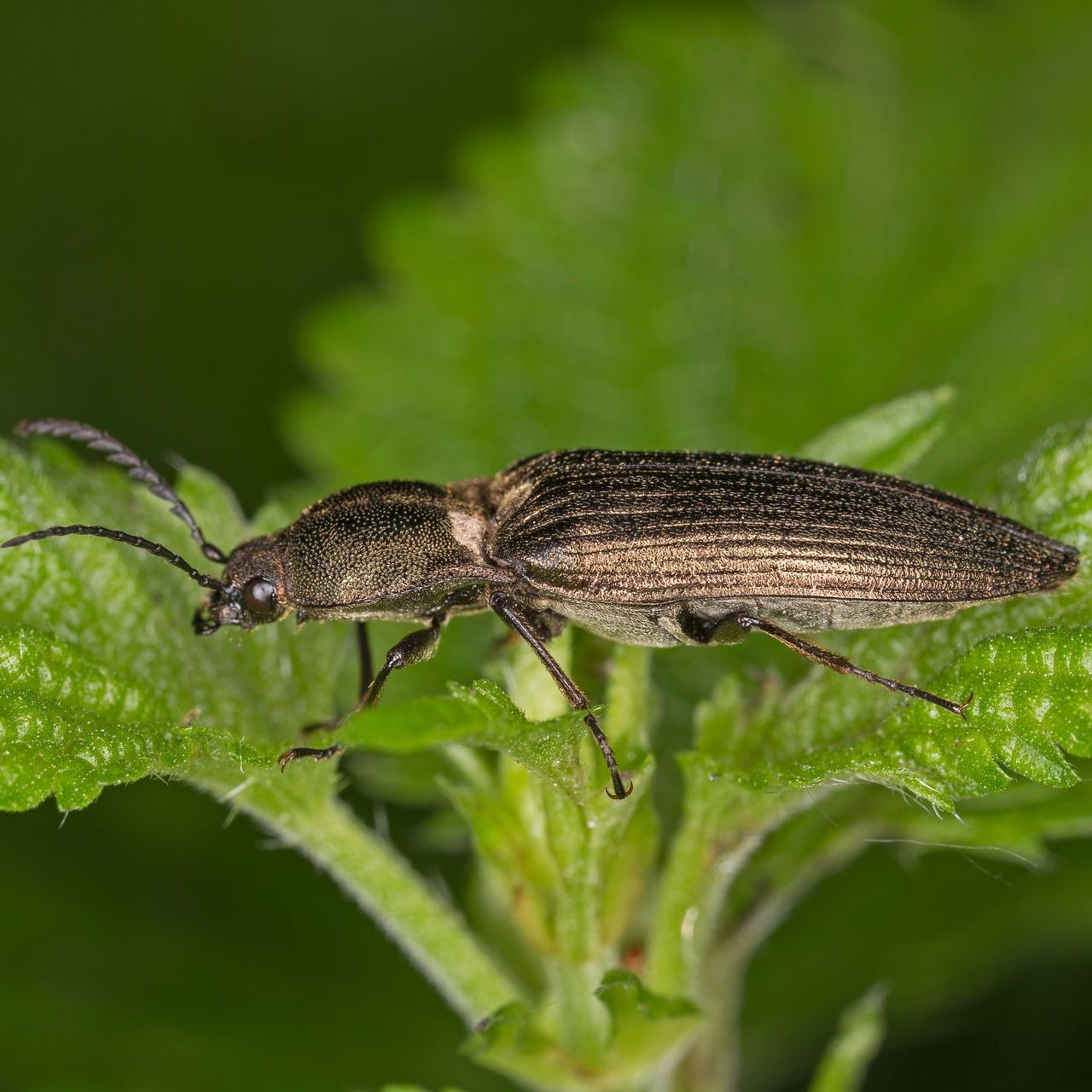
Appearance:
- Elongated, flattened body
- 0.5 to 1.5 inches in length
- Brown, black, or metallic hues
Click Mechanism:
- When inverted, bends body and locks spine into groove
- Rapid snap propels beetle airborne to right itself
Habitat:
- Gardens, fields, forests, grasslands
- Soil-dwelling larvae and adults; some attracted to light
Diet:
- Larvae (wireworms) feed on plant roots, seeds, organic matter
- Adults may feed on nectar, pollen, or not feed
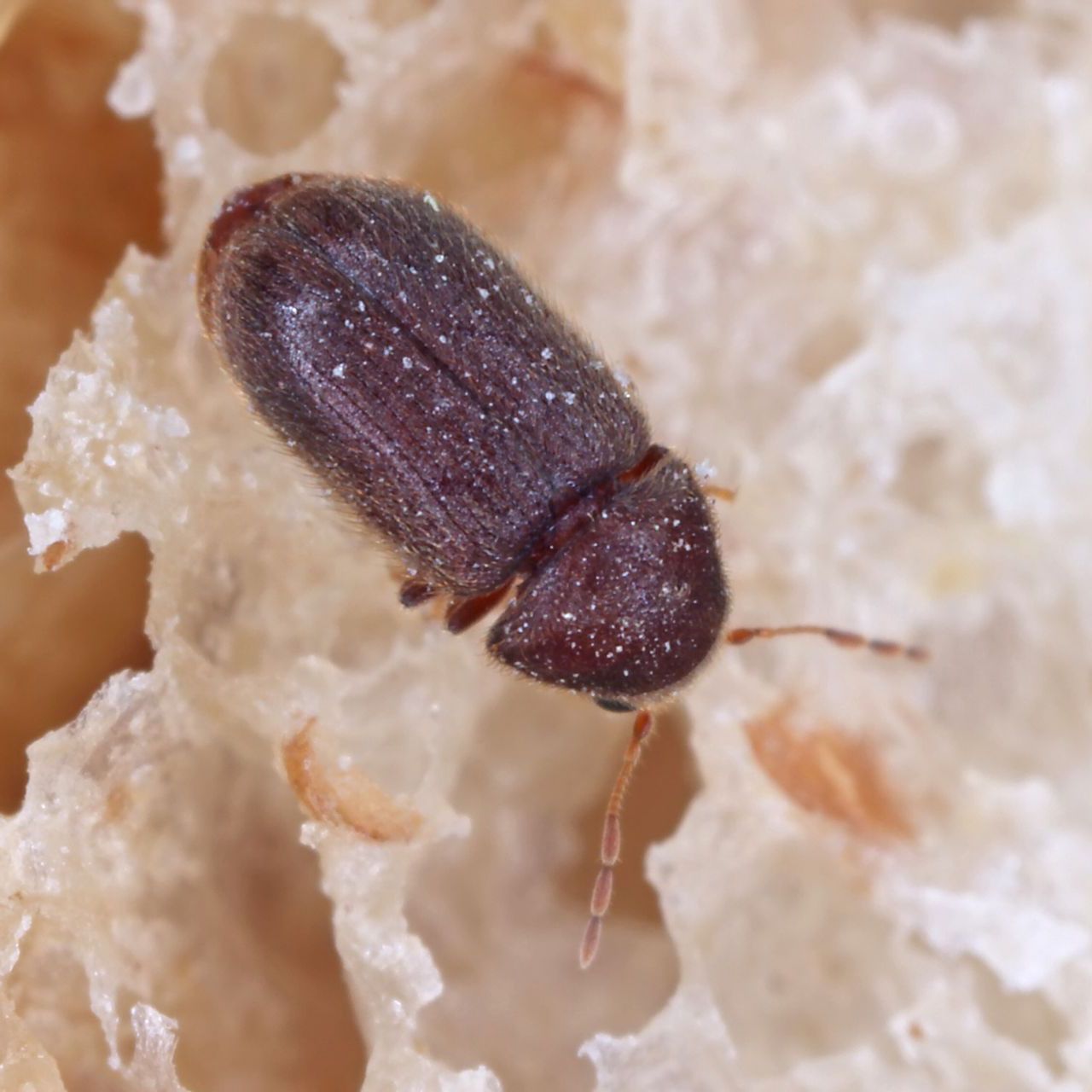
Appearance:
- Small: 2 to 3.5 millimeters long
- Elongated, cylindrical with humpbacked appearance
- Reddish-brown with fine hairs
Habitat:
- Stored products: grains, cereals, spices, dried fruits, nuts, pet food, tobacco
- Books, leather, museum specimens
Diet:
- Larvae feed on grains, cereals, dried fruits, organic materials
Damage:
- Contamination and product quality loss
- Packaging damage; dust and frass formation
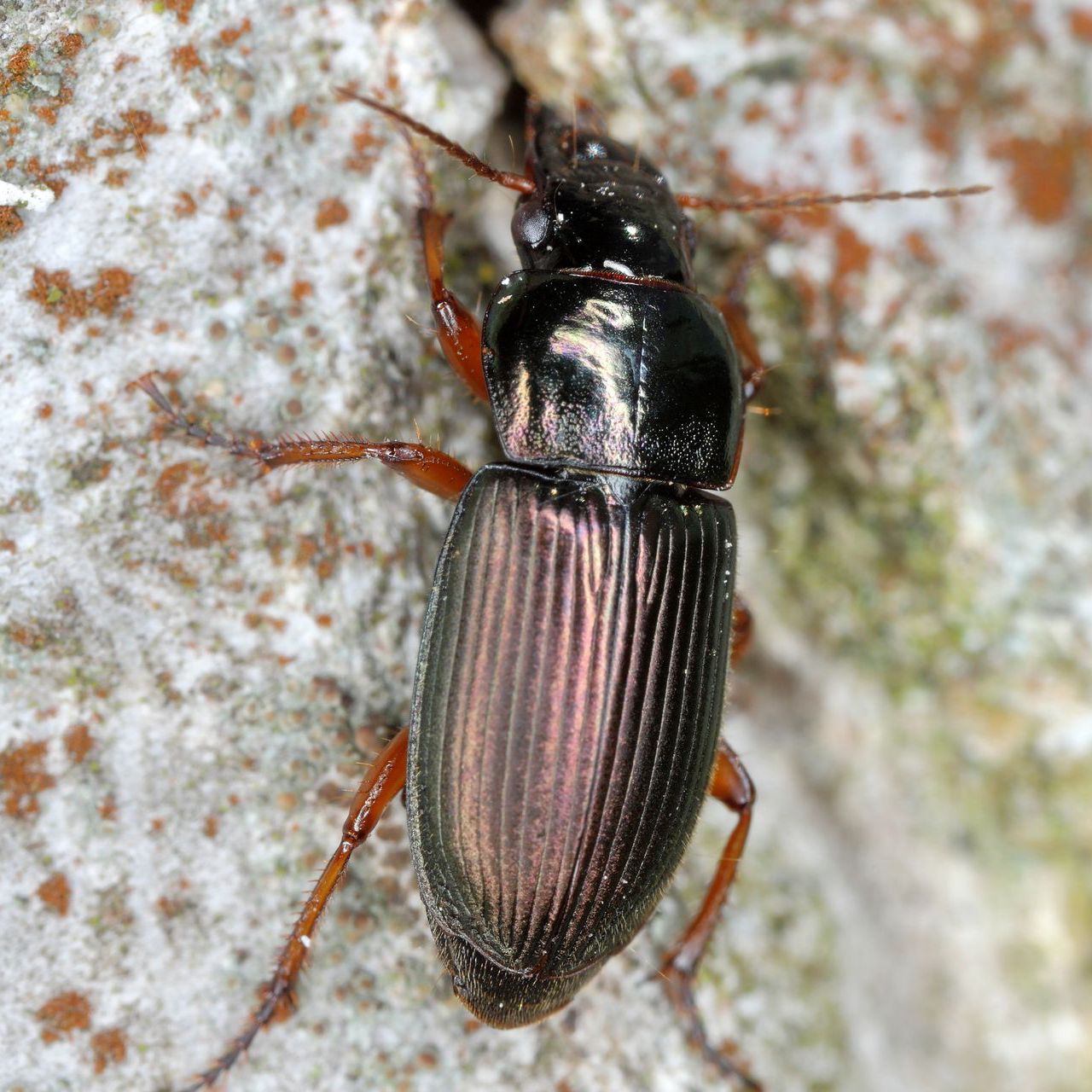
Appearance:
- Variable sizes
- Flattened body, long legs, prominent mandibles
- Black, brown, metallic, or distinctive patterns
Habitat:
- Forests, grasslands, agricultural fields, gardens, urban areas
- Ground-dwelling hunters and shelter-seekers
Diet:
- Primarily predatory: insects, larvae, slugs, snails
- Some species scavenge decaying organic matter
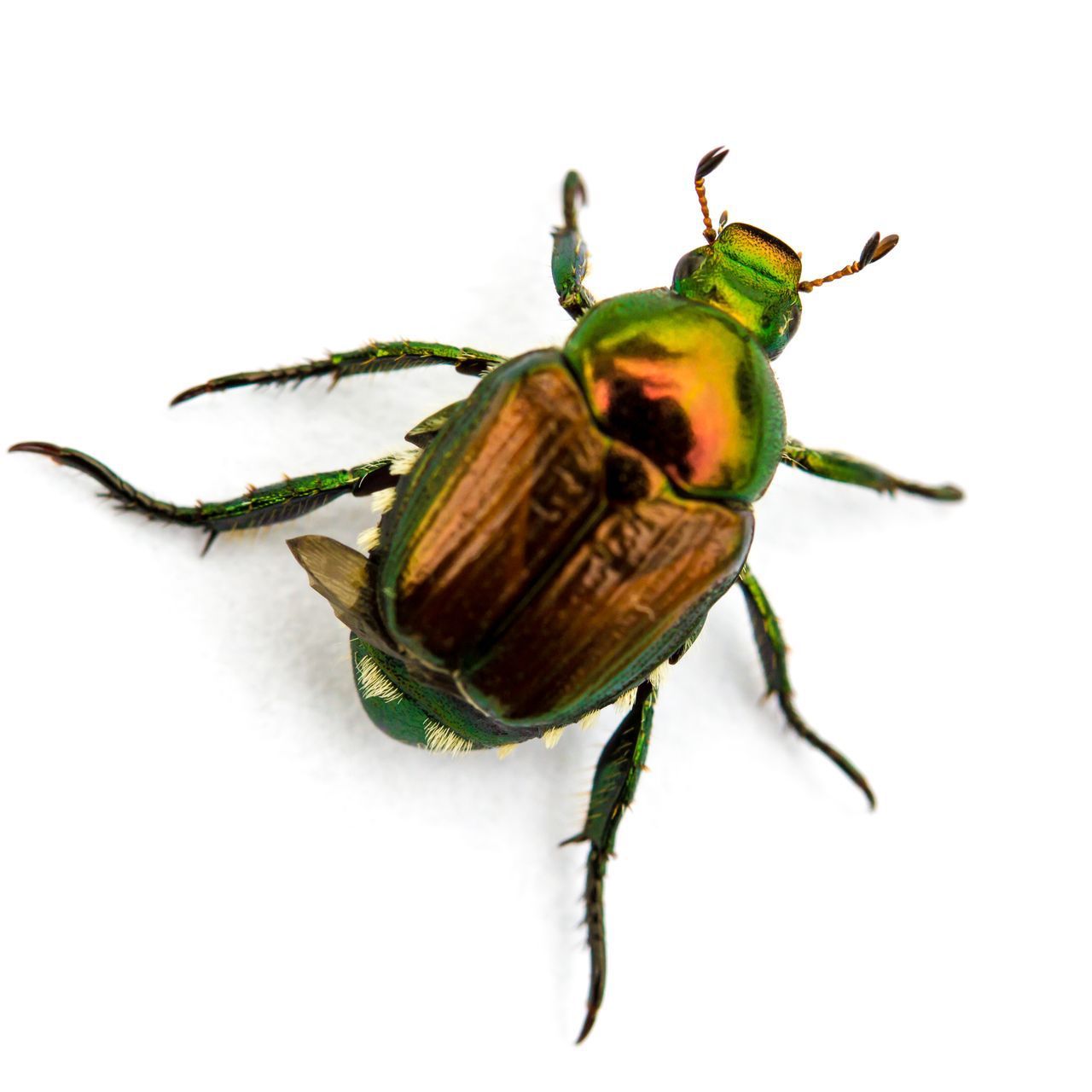
Appearance:
- Half-inch long adults
- Metallic green body with copper-brown wing covers
- Six white hair tufts per side
- Larvae: C-shaped, cream-colored with brown head
Feeding Habits:
- Voracious feeders attacking over 300 plant species
- Feed on leaves, flowers, fruits; skeletonize leaf tissue between veins
Host Plants:
- Roses, grapes, apples, cherries, peaches, soybeans, ornamentals
Damage to Lawns:
- Grubs feed on grass roots causing brown patches
- Managed with insecticides or biological controls
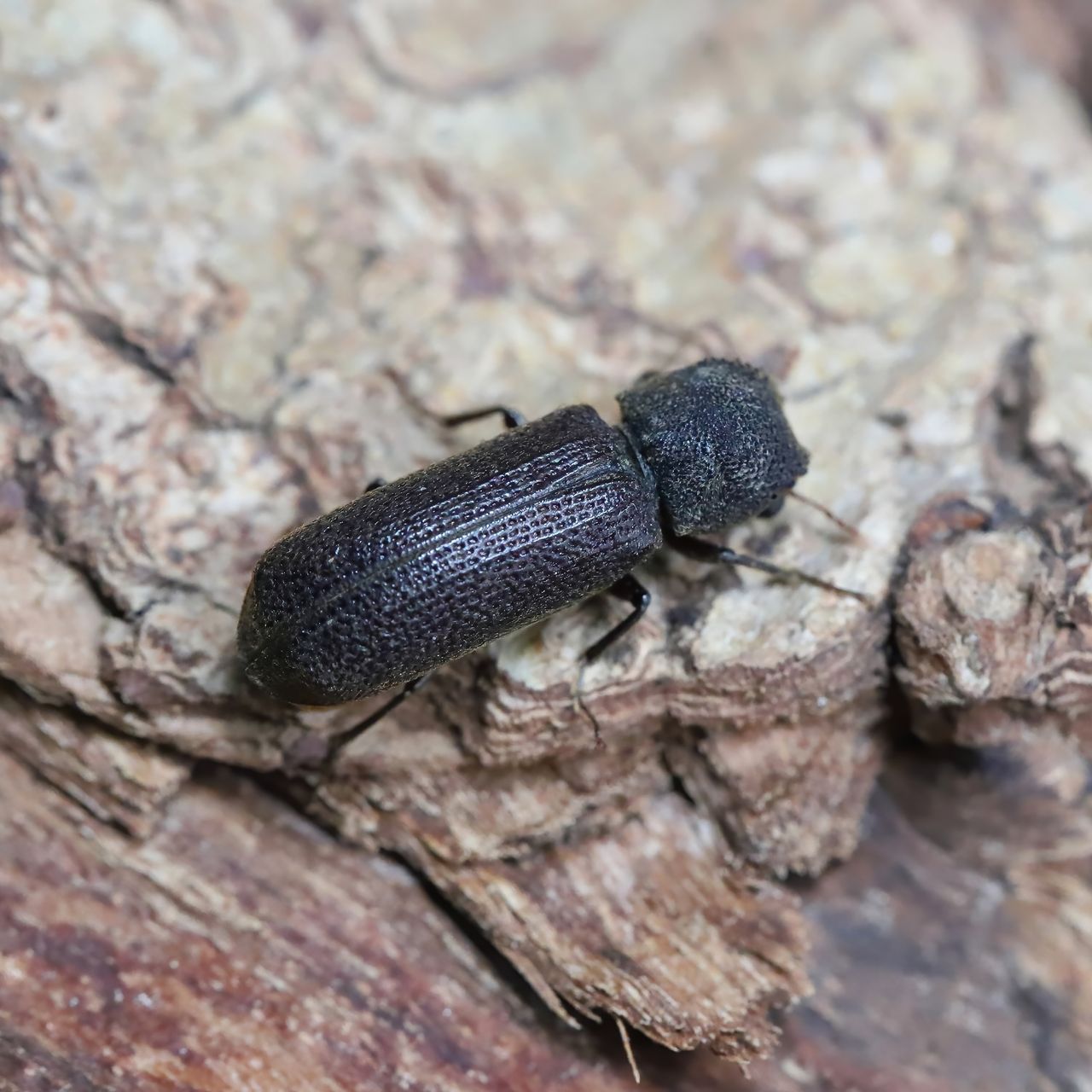
Appearance:
- Small: 1/8 to 1/4 inch long
- Cylindrical or flattened
- Reddish-brown to black
Diet:
- Larvae feed on hardwoods: oak, hickory, ash, walnut
- Species prefer either sapwood or heartwood
Damage:
- Small round exit holes in wood surface
- Fine, powdery frass around holes
- Mainly cosmetic; can compromise structural integrity over time
Common Types:
- Anobiidae: Common furniture beetle (Anobium Punctatum)
- Lyctidae: Lyctid powderpost beetle (Lyctus Brunneus)
- Bostrichidae: False Powderpost Beetles