
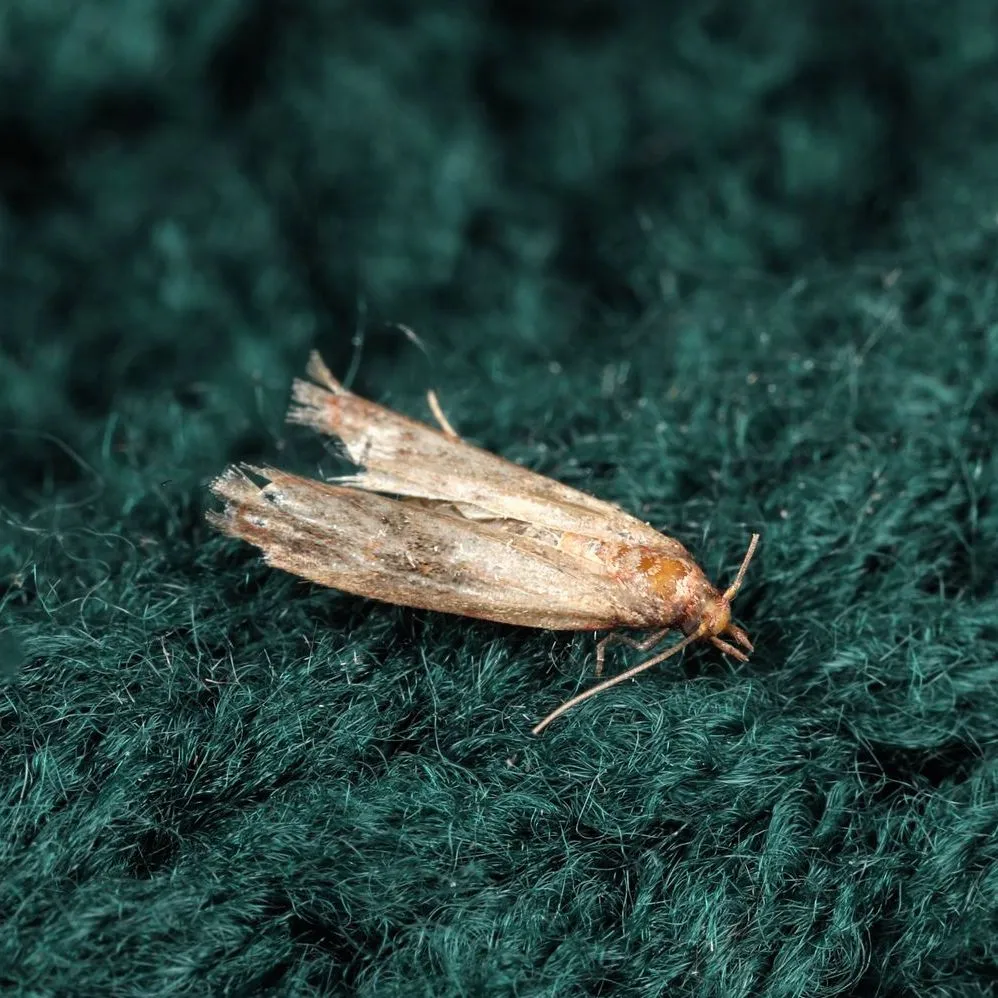
Moths in North Texas
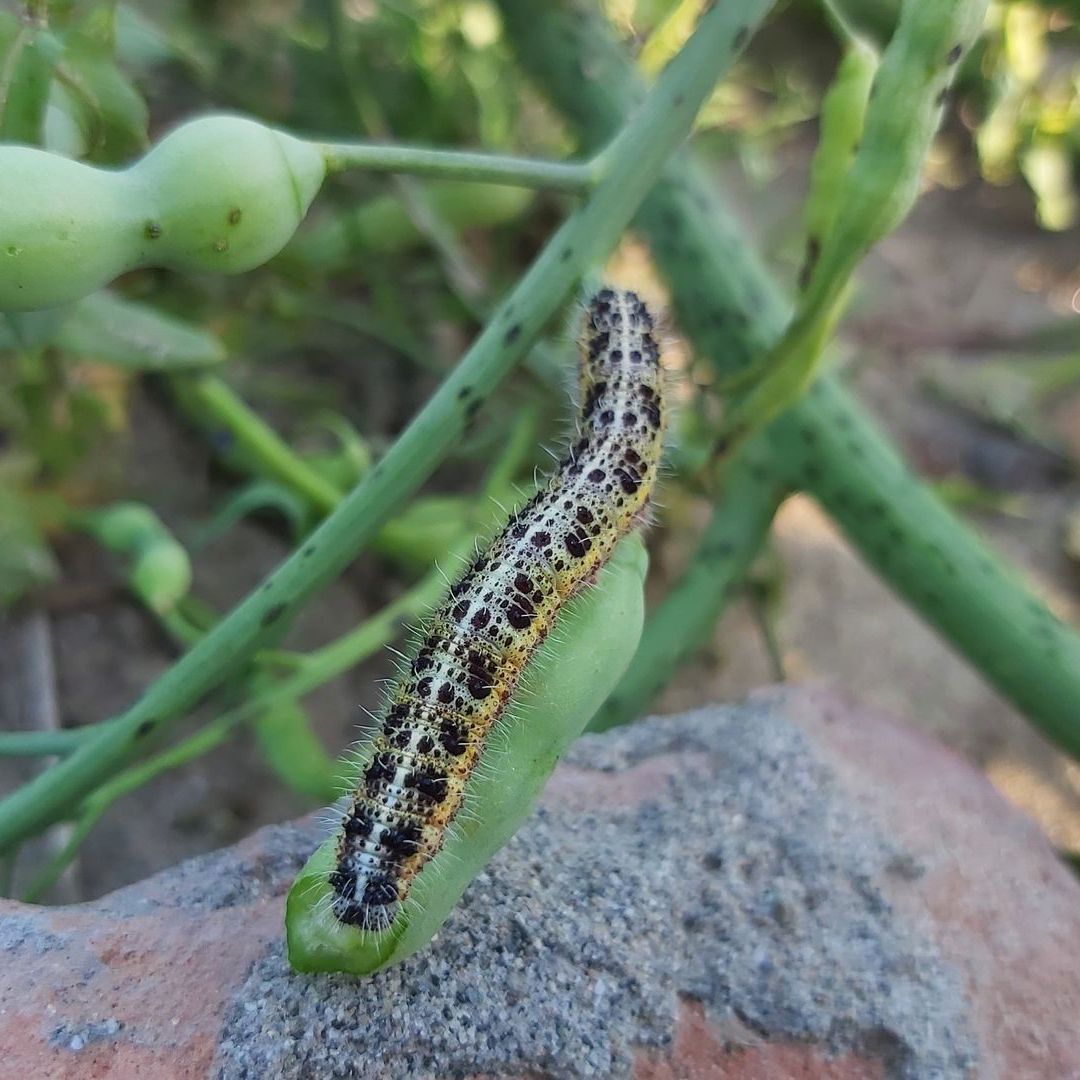
Life Cycle:
- Armyworms undergo complete metamorphosis with egg, larva, pupa, and adult stages
- Female moths lay clusters of eggs on host plants, and the eggs hatch into larvae (caterpillars)
- The caterpillars go through several instars, feeding voraciously on plant foliage and often moving in groups
- After completing their larval development, the caterpillars pupate in the soil, and adult moths emerge from the pupae
Appearance – Adult Moths:
- Adult armyworm moths are nocturnal and typically have a wingspan of about 1 to 2 inches
- They often have cryptic coloration, with shades of brown, gray, and sometimes green
- The hindwings may have lighter-colored markings
Feeding Habits – Larvae (Caterpillars):
- Armyworm larvae are voracious feeders and can cause significant damage to crops, lawns, and other vegetation
- They may consume entire leaves, stems, and even developing seeds of various plants
- The “army” behavior, where large numbers of larvae move in groups, contributes to their defoliation capability
Host Plants:
- Armyworms have a wide range of host plants, including grasses, cereals, vegetables, and other crops
- They can also feed on non-crop plants, with species-specific preferences varying
Larval Stage:
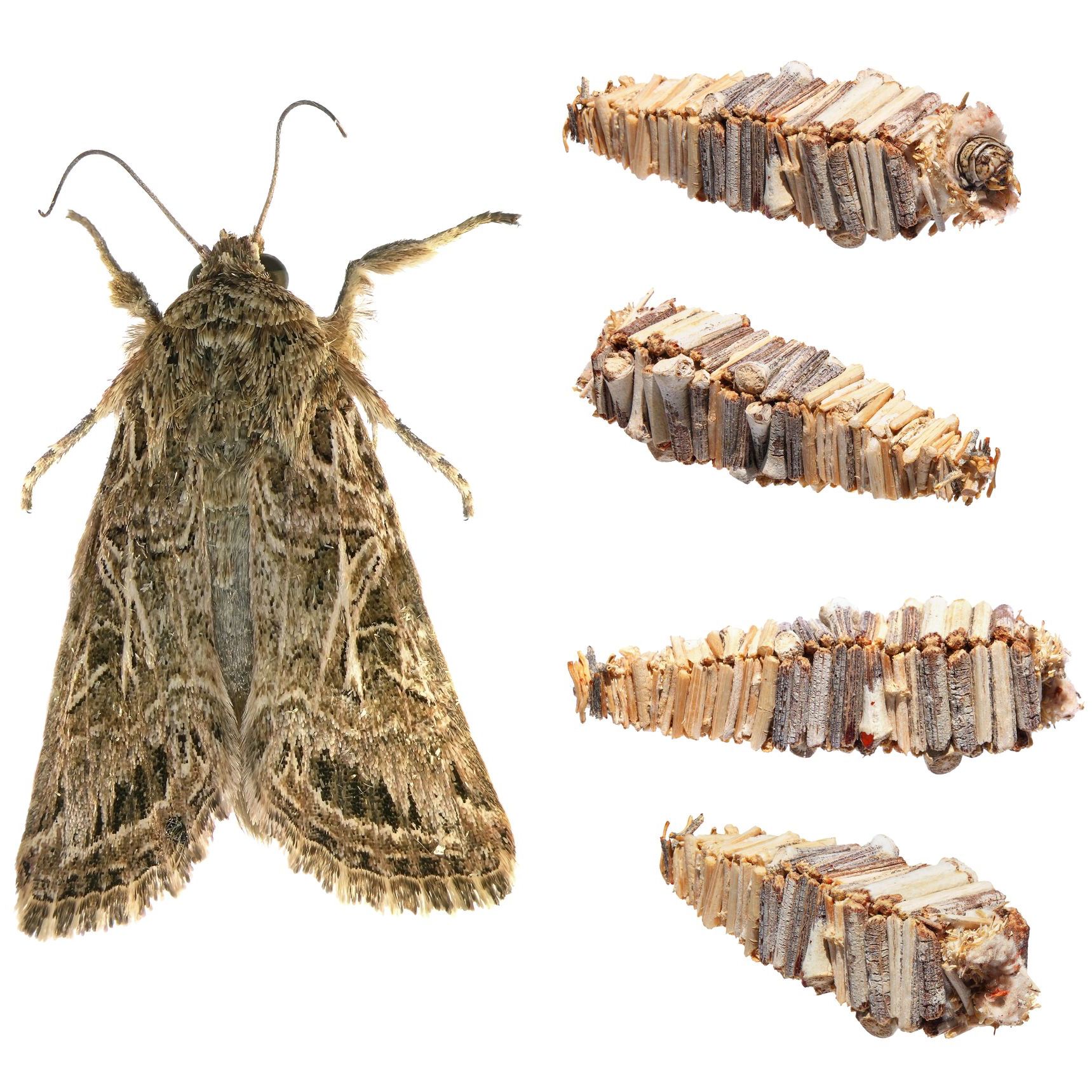
- Bagworm larvae construct protective cases or bags around themselves using silk and plant material
- The bags serve as a camouflage and provide protection from predators
- As the larvae grow, they enlarge and elongate their bags, incorporating pieces of the plants they feed on
Feeding Habits:
- Bagworm larvae are herbivores and feed on the foliage of a variety of trees and shrubs
- They are known to consume the leaves of their host plants, and heavy infestations can lead to defoliation
Pupal Stage:
- When the bagworm larva is ready to pupate, it attaches the bag to a branch or other surface using silk
- Inside the bag, the larva transforms into a pupa, and eventually, the adult moth emerges
Adult Moths:
- Adult bagworm moths are often inconspicuous and may resemble small moths with reduced wings
- Female adults generally lack wings and are wingless, while males have wings that allow them to fly
- Adult bagworms are short-lived, and their primary purpose is to mate and lay eggs for the next generation
Bag Construction:
- Bagworm larvae construct their bags by attaching silk to the substrate and incorporating bits of leaves, twigs, and other plant material
- The bags can vary in appearance, color, and size depending on the species and the availability of materials in the environment
Appearance:
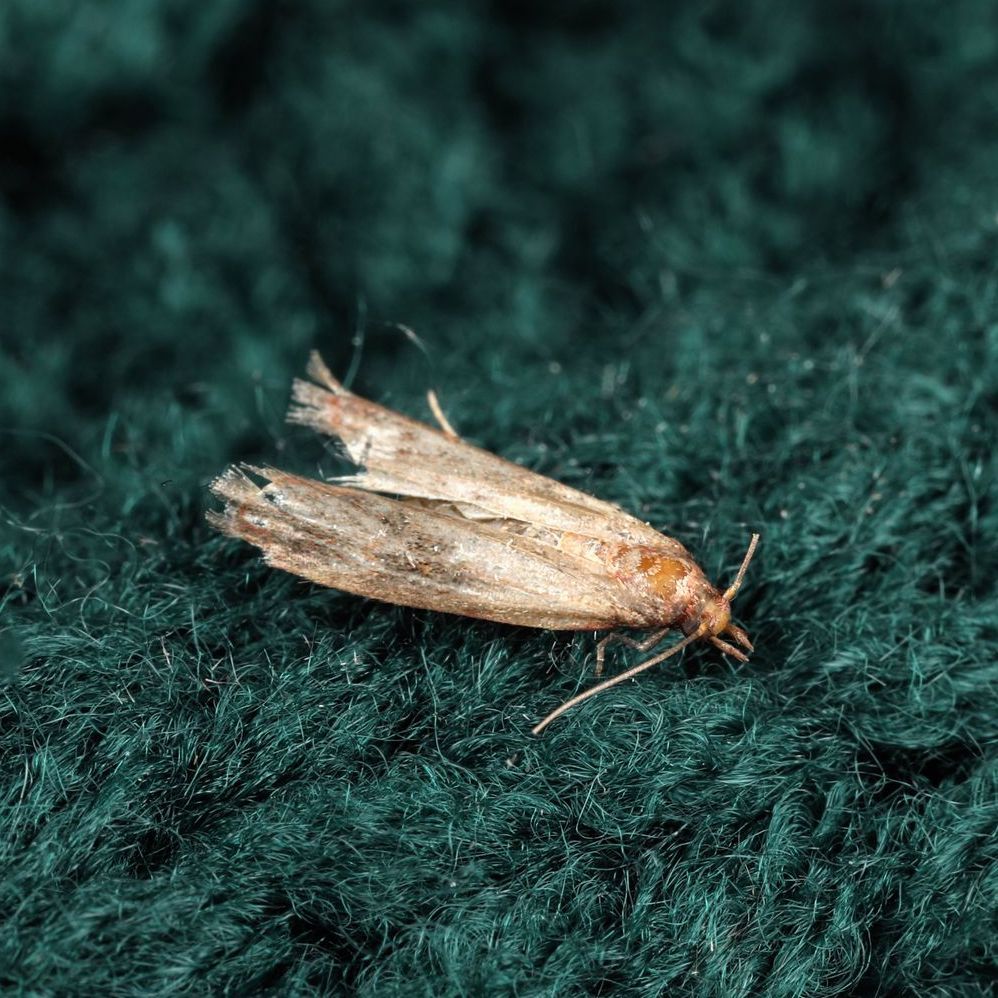
- Adult clothes moths are small and inconspicuous, with a wingspan ranging from 1/2 to 1 inch
- Webbing clothes moths have a golden color with reddish-golden hairs on their heads; casemaking clothes moths are slightly smaller and have a more mottled
appearance - The larvae (caterpillars) are cream-colored and have a brown head capsule
Life Cycle:
- The life cycle consists of four stages: egg, larva, pupa, and adult
- Adult moths lay eggs on materials such as wool, silk, or feathers
- The larvae hatch from the eggs and feed on the materials, causing damage
- Larvae spin silk webbing over the materials they are feeding on, providing a protective environment
Habitat:
- Clothes moths prefer dark and undisturbed areas where they can lay their eggs and the larvae can feed without disruption
- Common habitats include closets, storage areas, and spaces where infrequently used clothing or fabrics are stored
Feeding Habits:
- Clothes moth larvae feed on keratin, a protein found in natural fibers such as wool, silk, feathers, and fur
- They are particularly attracted to items that have been soiled with sweat, oil, or food residues
Damage:
- The primary damage caused by clothes moths is due to the feeding activity of the larvae
- Larvae can create holes and thin areas in fabrics, leading to the deterioration of clothing and textiles
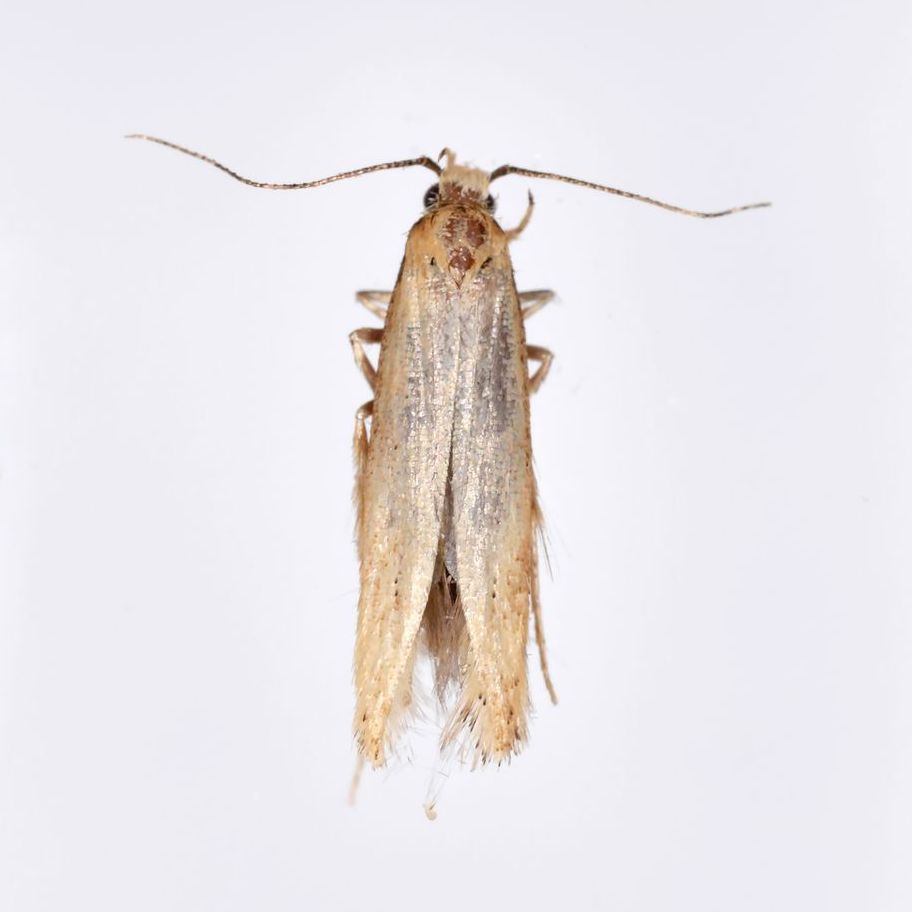
Appearance:
- Adult grain moths have a wingspan of about 5/8 to 3/4 inches
- They typically have a distinctive appearance with a reddish-brown outer wing and a lighter-colored inner wing with a copper or bronze hue
- Larvae are small caterpillars with a cream-colored body and a brown head
Habitat:
- Grain moths infest a variety of stored food products, including grains, cereals, flour, rice, nuts, dried fruits, and pet food
- They are attracted to products with a high carbohydrate and oil content
Feeding Habits:
- Grain moth larvae feed on the interior of stored food items, creating tunnels and leaving behind silk webbing
- Larvae can contaminate food, making it unpalatable and unsuitable for consumption
Prevention:
- Store food products in airtight containers
- Regularly inspect and clean pantry shelves, removing spilled food and crumbs
- Rotate stored food items to ensure older products are used first
- Check for and discard any infested food products
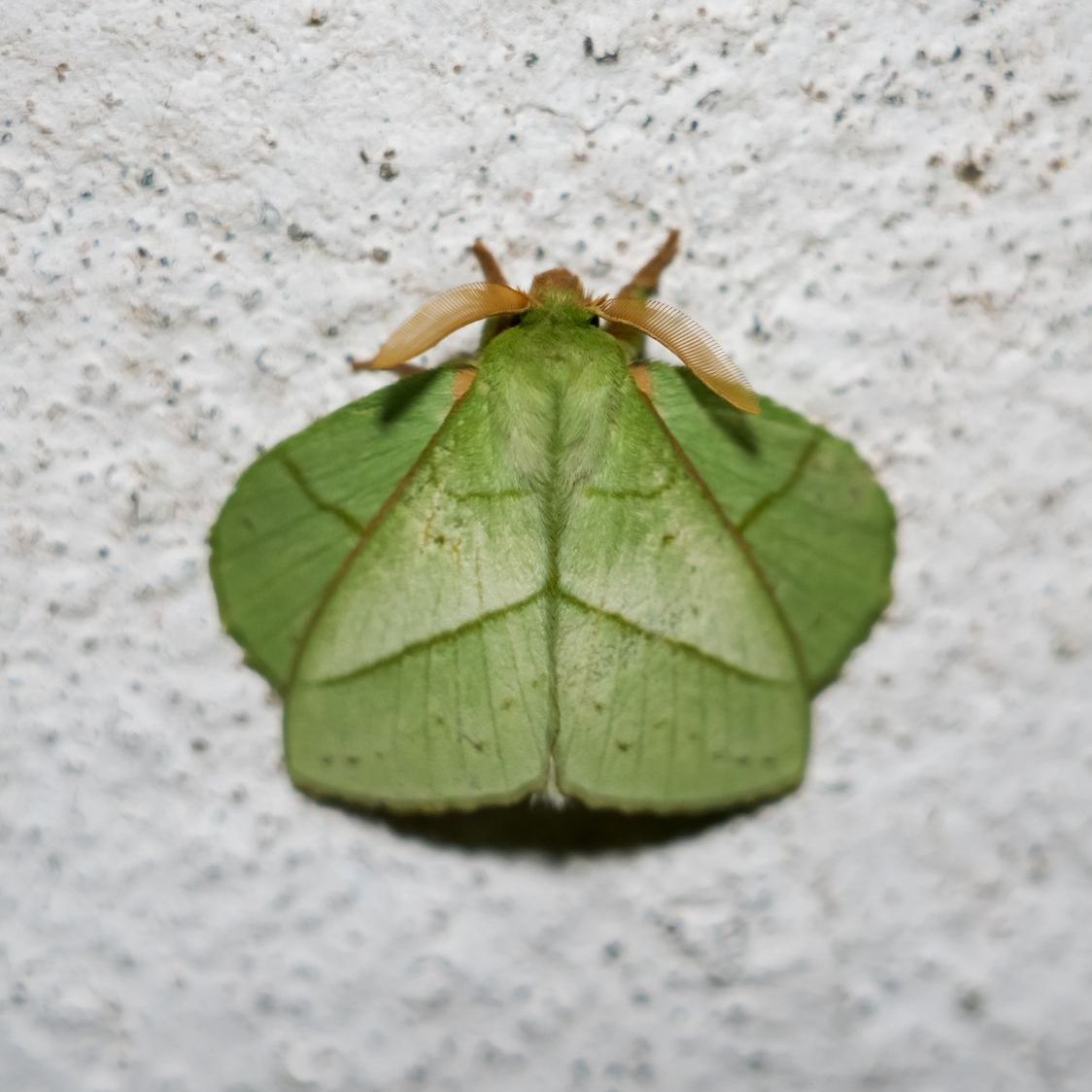
Appearance:
- Tent moth caterpillars are known for their distinctive appearance
- They are often hairy and have various colorations, including shades of brown, black, and yellow
- Some species have a row of colored spots along their back
Behavior:
- Tent moth caterpillars construct silk tents in the branches of trees and shrubs, serving as shelters during molting and protection from predators
- The tents are usually made by the caterpillars pulling together leaves and silk, creating a communal structure
Life Cycle:
- The life cycle includes the egg, larval, pupal, and adult stages
- Female moths lay eggs on twigs or branches in the fall
- Caterpillars hatch from the eggs in spring and begin to construct their silk tents
- The larvae feed on the leaves within the tent and grow through several instars
- After completing their development, the caterpillars leave the tent to pupate in a cocoon
- Adult moths emerge from the pupae and the cycle repeats
Host Plants:
- Tent moth caterpillars often infest deciduous trees and shrubs
- Common host plants include cherry, apple, crabapple, and other fruit trees, as well as ornamental shrubs
Feeding Habits:
- Tent moth caterpillars feed on the leaves of host plants
- While they may defoliate certain branches within the tent, healthy trees can usually recover from their feeding activity