
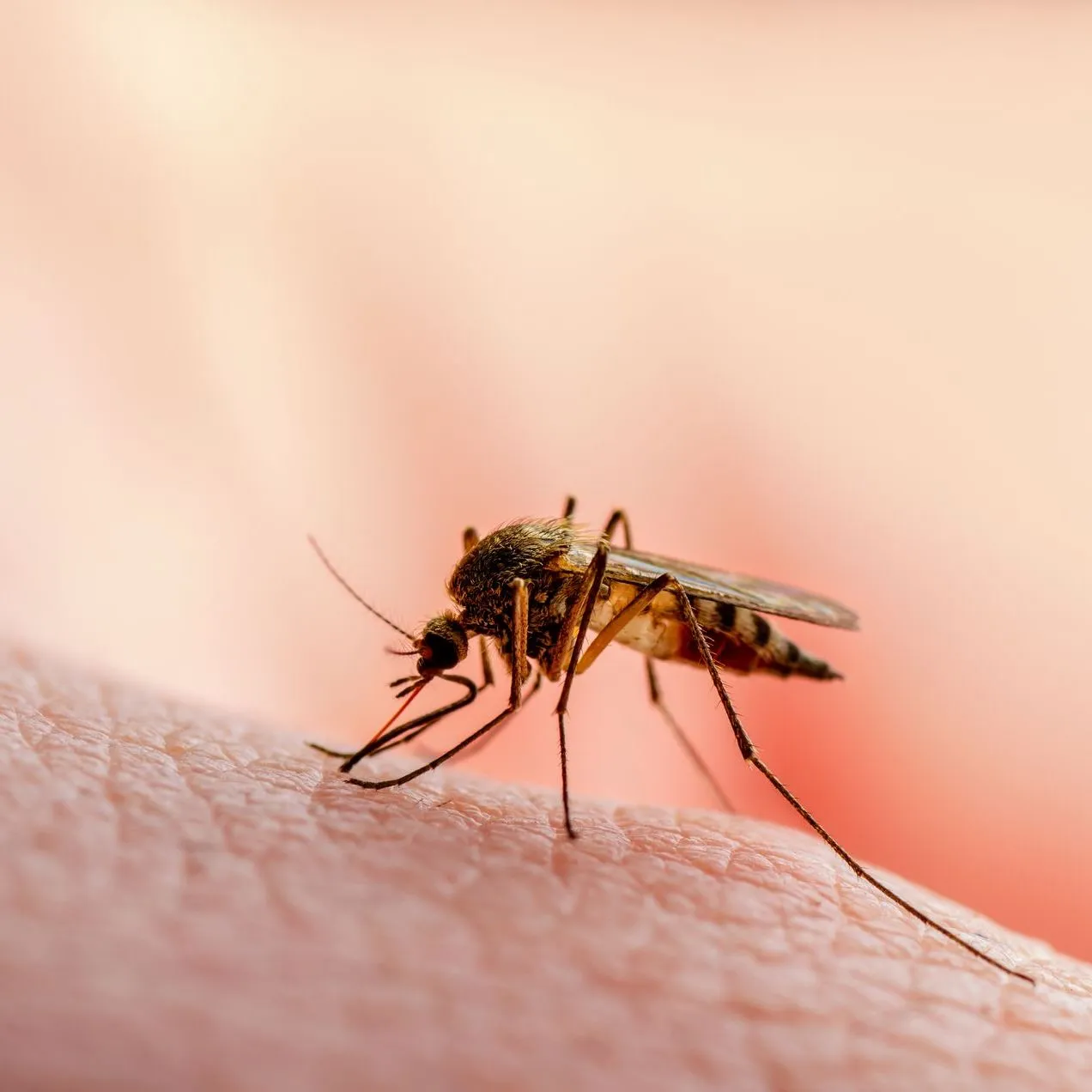
Mosquitoes in North Texas
Life Cycle:
- Mosquitoes undergo complete metamorphosis, consisting of four stages: egg, larva, pupa, and
adult. - Female mosquitoes deposit eggs in water that develop into larvae
- Larvae undergo molting before the pupal phase
- Pupae develop into adult mosquitoes
Habitat:
- Mosquitoes breed in standing water, including ponds, puddles, marshes, and containers with
stagnant water. - Different species exhibit distinct breeding site preferences
Feeding Habits:
- Female mosquitoes require blood meals for the development of their eggs.
- Male mosquitoes consume nectar and plant juices without biting
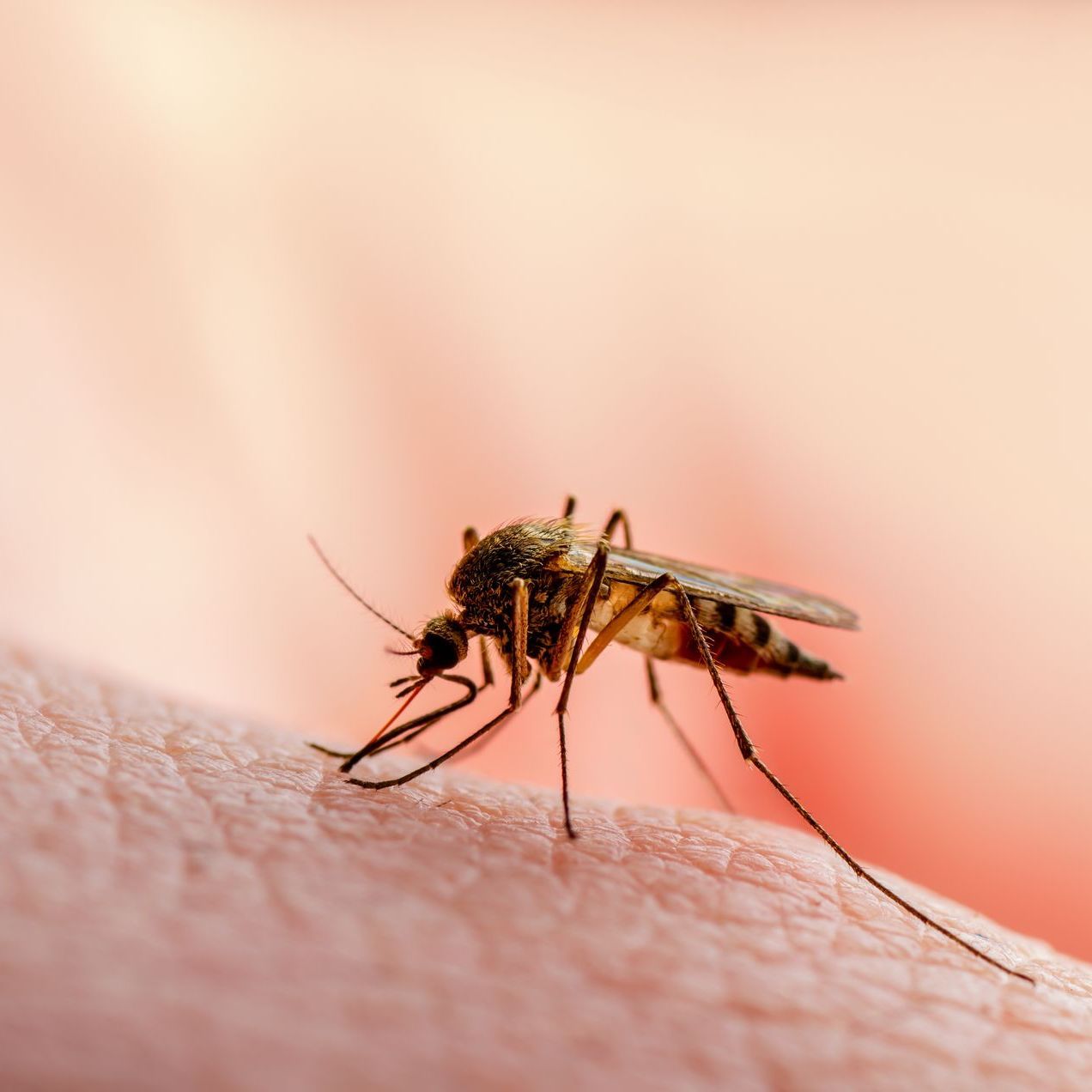
- Females possess specialized mouthparts to pierce skin and feed on blood
Disease Transmission:
- Mosquitoes are vectors for various diseases, including malaria, dengue fever, Zika virus, West
Nile virus, and others. - Disease spreads when infected mosquitoes bite and introduce pathogens into the bloodstream
Prevention and Control:
- Use repellents, protective clothing, and bed nets for personal protection
- Eliminate standing water to reduce breeding habitats
- Apply insecticides, larvicides, and mosquito nets for management
Attractants:
- Mosquitoes respond to carbon dioxide, body odor, heat, and certain chemicals emitted by the
skin - Dark clothing and specific scents increase attraction