
Rodents in North Texas
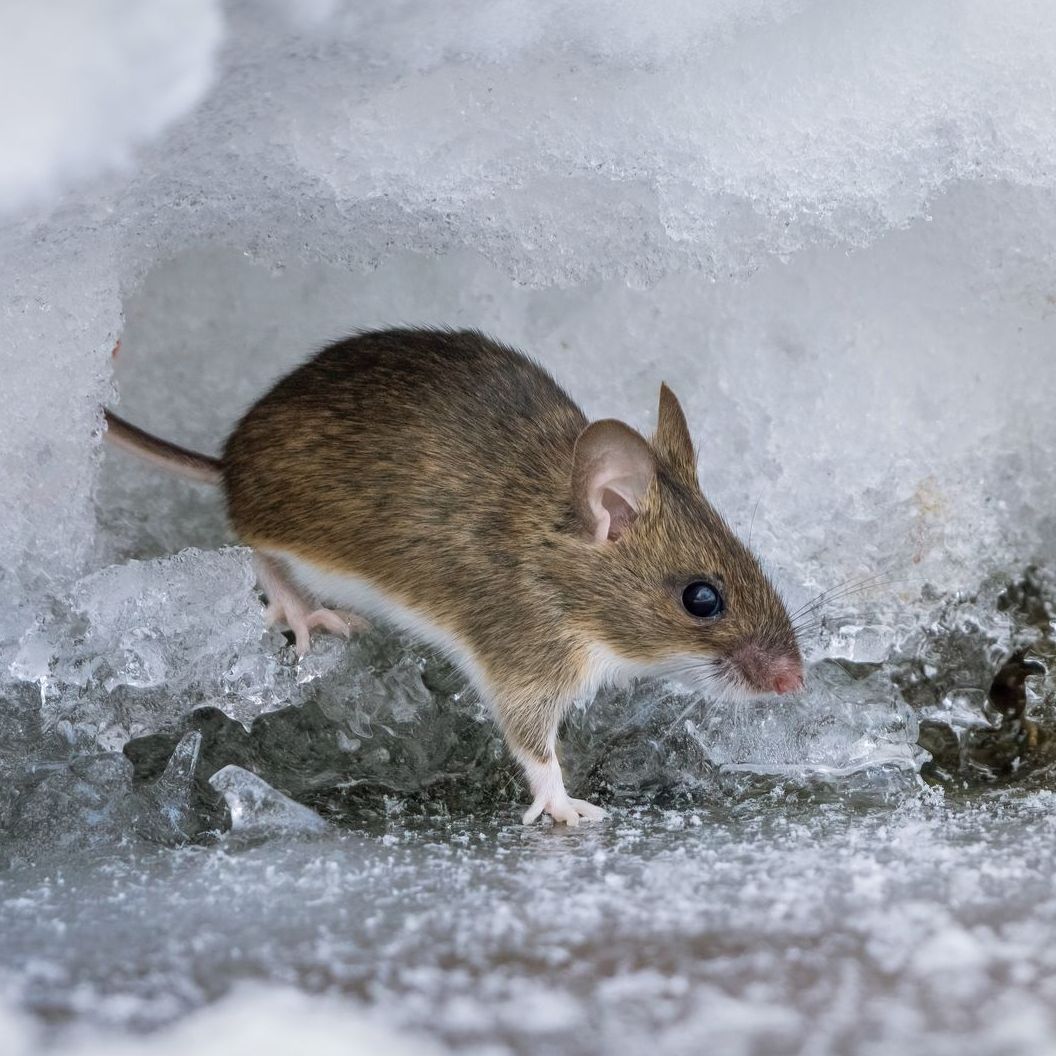
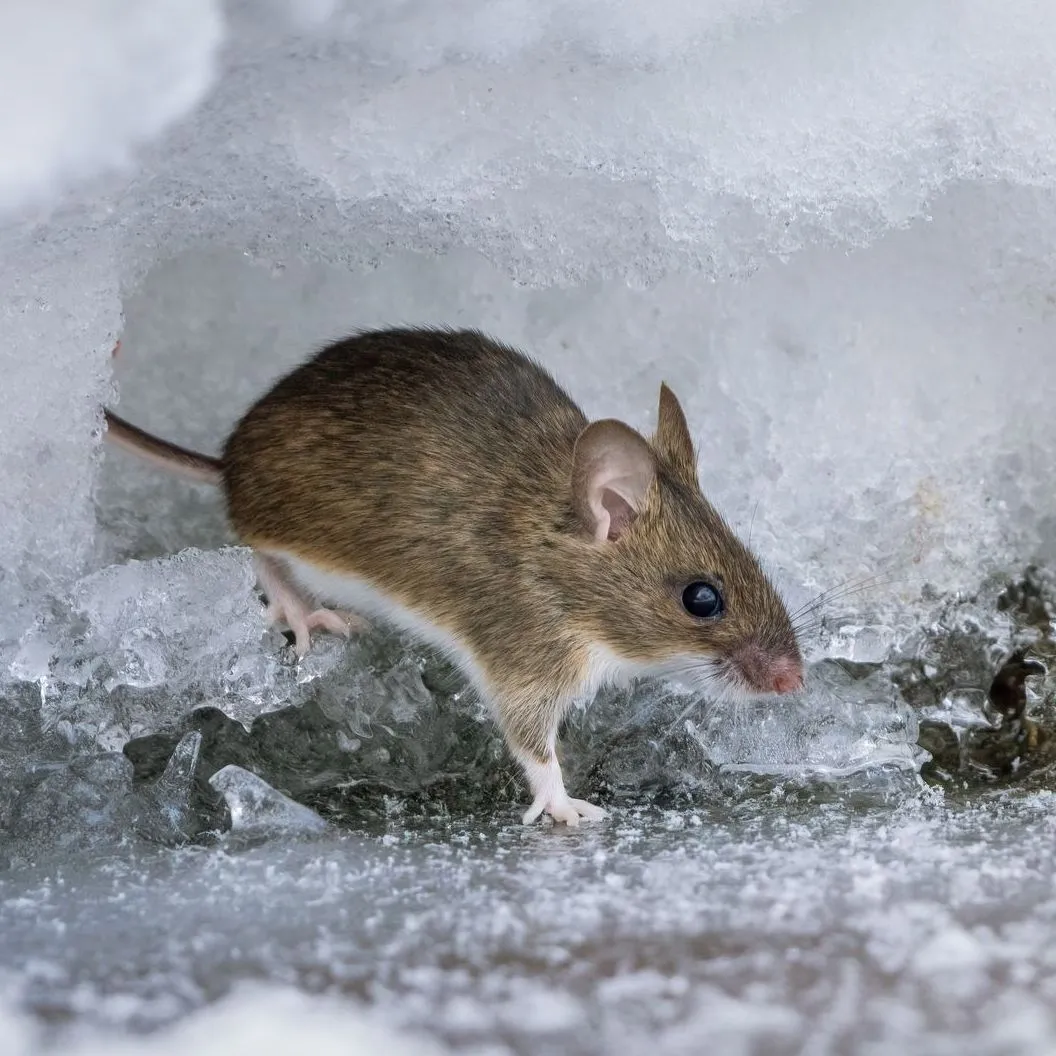
Appearance:
- Small rodents with compact bodies, short legs, and short tails
- Brown or gray fur that provides camouflage
Habitat:
- Found in grassy fields, meadows, farmlands, and suburban areas
- Create ground burrows with multiple entrances
Diet:
- Herbivorous, feeding on grasses, seeds, and plant material
- Damage crops by consuming roots, tubers, and plant bases
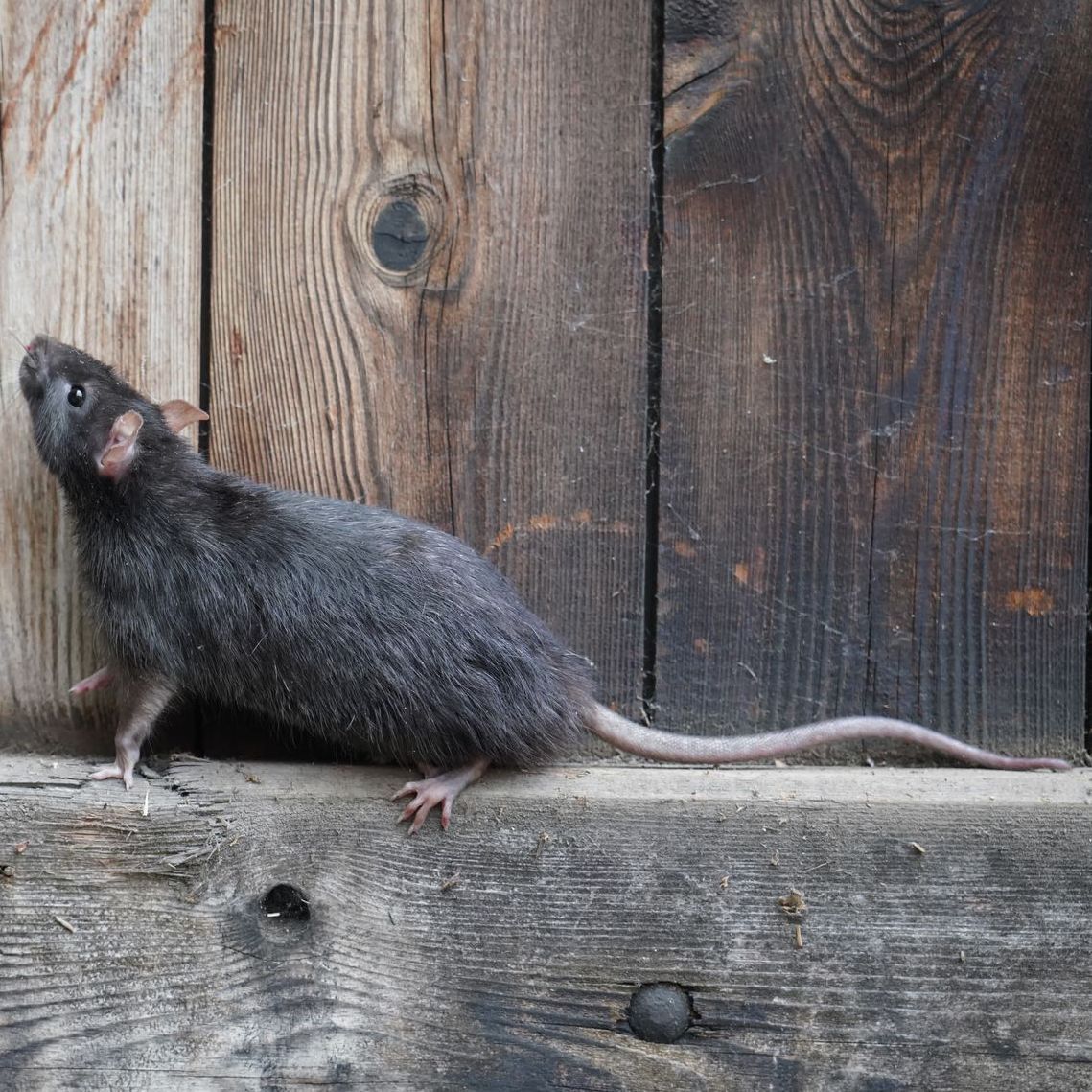
Appearance:
- Robust, heavy-set body with coarse brown or gray fur
- Scaly tail shorter than body; small ears and eyes
Size:
- Body length: 7-10 inches; tail length: 6-8 inches
- Larger than roof rats
Habitat:
- Burrowers creating extensive systems in sewers, basements, foundations, rubbish heaps
Diet:
- Opportunistic feeders consuming grains, fruits, seeds, insects, garbage
Disease Vectors:
- Transmit Leptospira, Salmonella, hantavirus through contaminated food/water
Impact:
- Damage property and food supplies; electrical fire hazards from gnawing
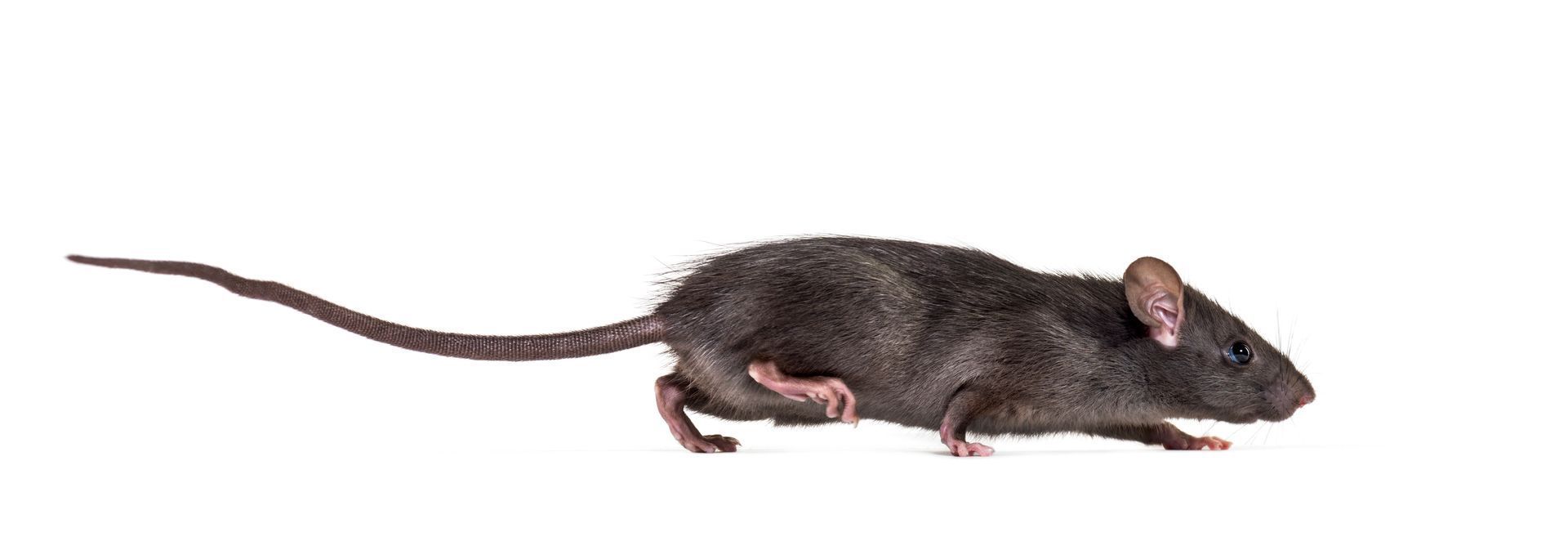
Appearance:
- Slender, agile build; body 6-8 inches with tail longer than body
- Dark brown to black fur; large ears
Habitat:
- Excellent climbers in attics, trees, rooftops
- Also inhabit ground burrows in vegetated areas
Diet:
- Omnivorous: fruits, nuts, seeds, insects, human food
Disease Vectors:
- Transmit leptospirosis, salmonellosis, rat-bite fever via droppings, urine, bites
Impact:
- Structural damage, electrical hazard; crop and food storage damage