
Mites in North Texas
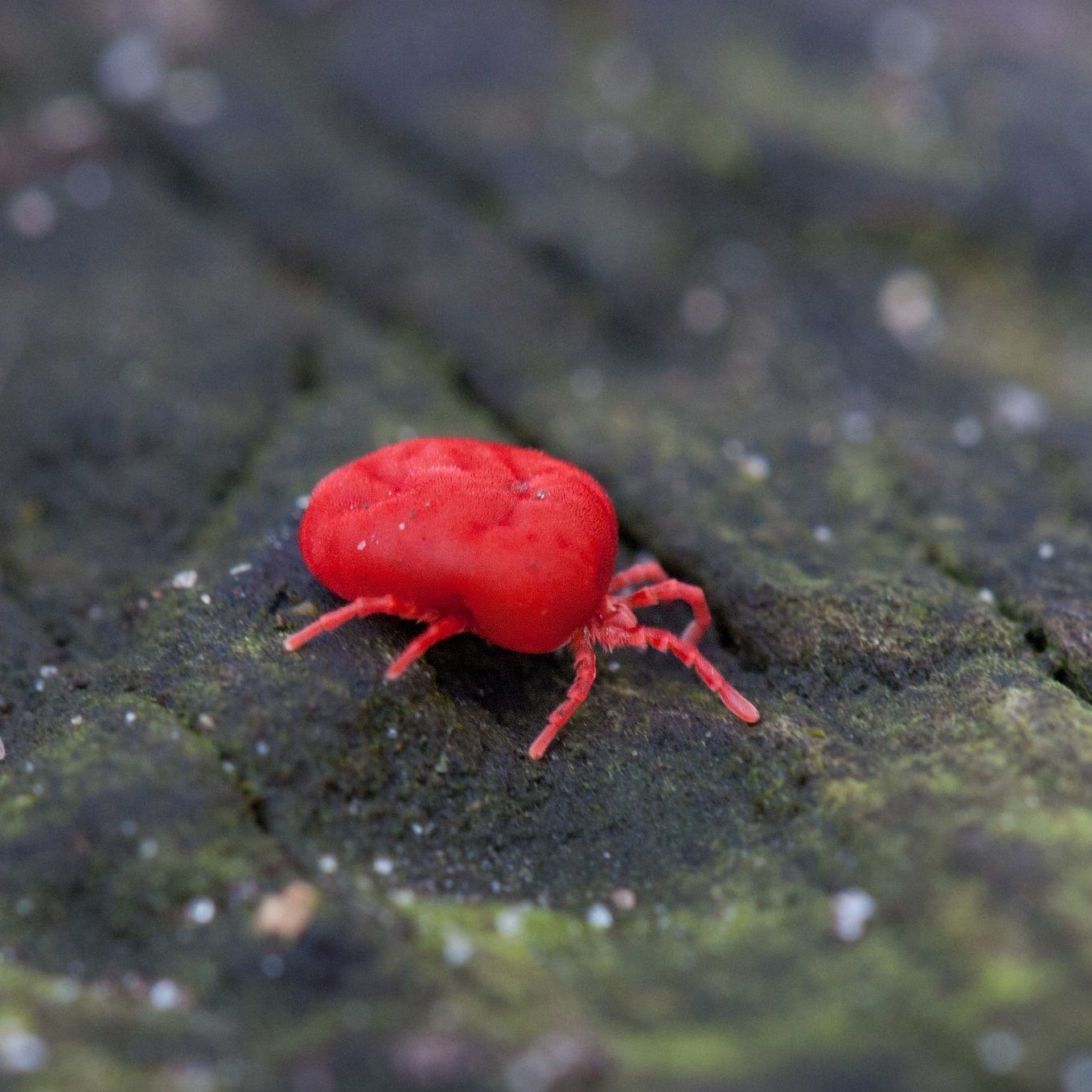
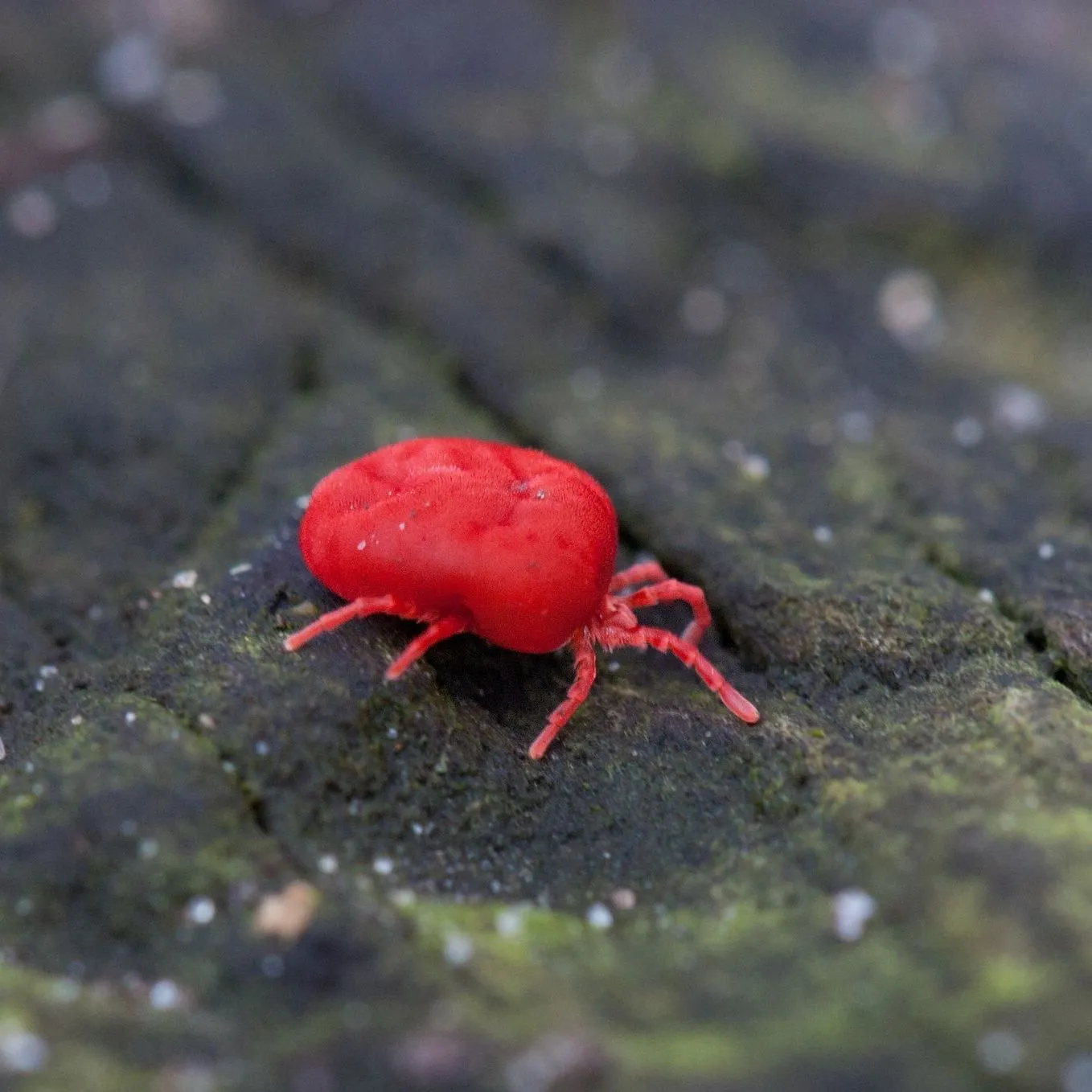
Appearance:
- Larval stage of mites from family Trombiculidae
- Extremely small: 0.1-0.3 millimeters
- Reddish-orange or yellow coloring
Habitat:
- Found in tall grass, weeds, vegetation
- Prefer warm, humid conditions
- Parasitic on mammals, birds, reptiles
Feeding Behavior:
- Feed on host skin cells, not blood
- Inject digestive enzymes to liquefy tissue
- Consume liquefied skin cells
Bites and Symptoms:
- Intense itching, red welts, possible blistering
- Concentrated where clothing is tight (ankles, waist, groin)
- Severe itching lasting several days
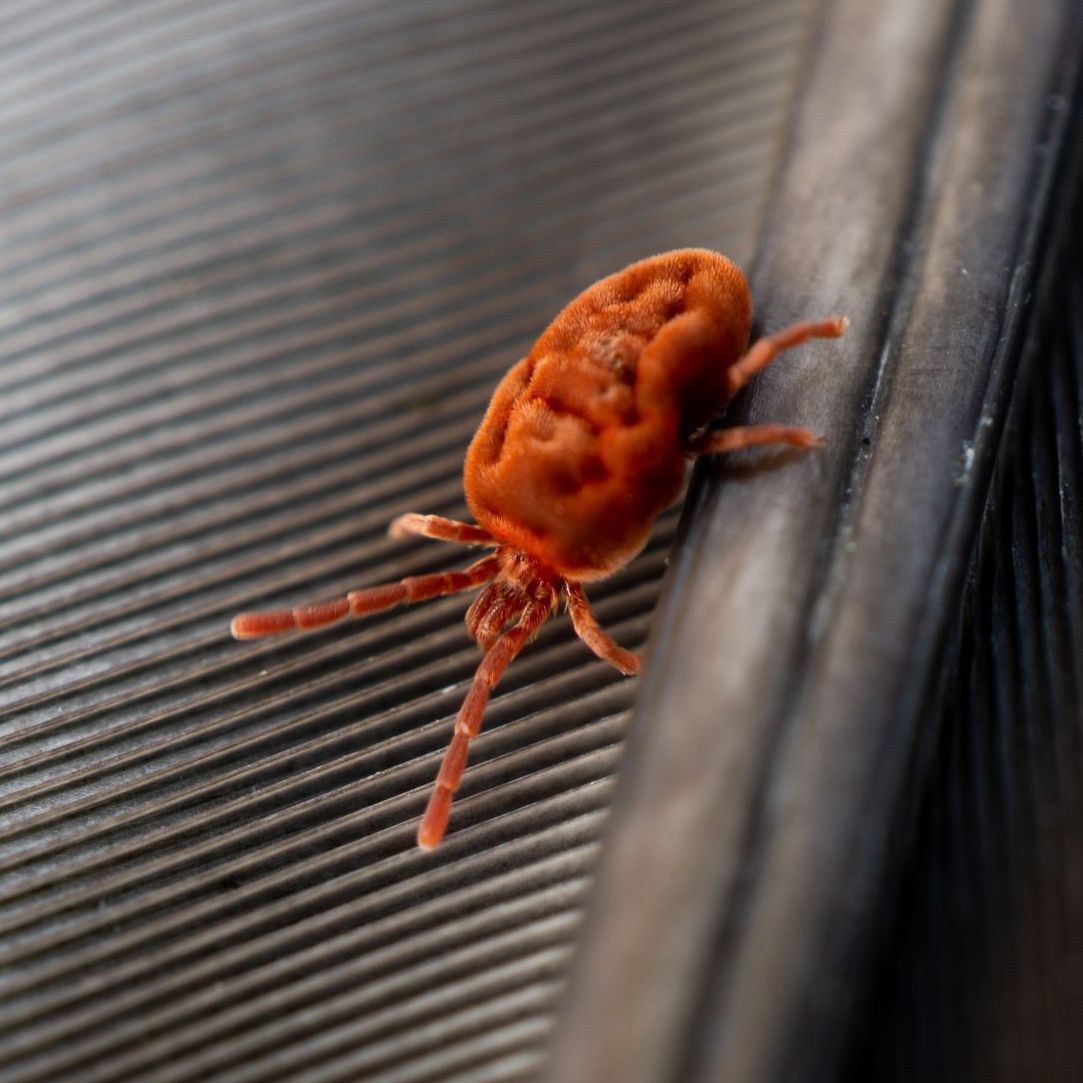
Appearance:
- Adults measure 0.5 millimeters
- Reddish-brown to dark red color
- Oval-shaped bodies with long legs
Habitat:
- Outdoor locations on plants and grass
- Migrate indoors during fall and winter
Feeding Behavior:
- Plant feeders using piercing-sucking mouthparts
- Target grasses, clover, weeds, vegetation
Behavior:
- Invade homes in large numbers seasonally
- Seek indoor shelter from cold
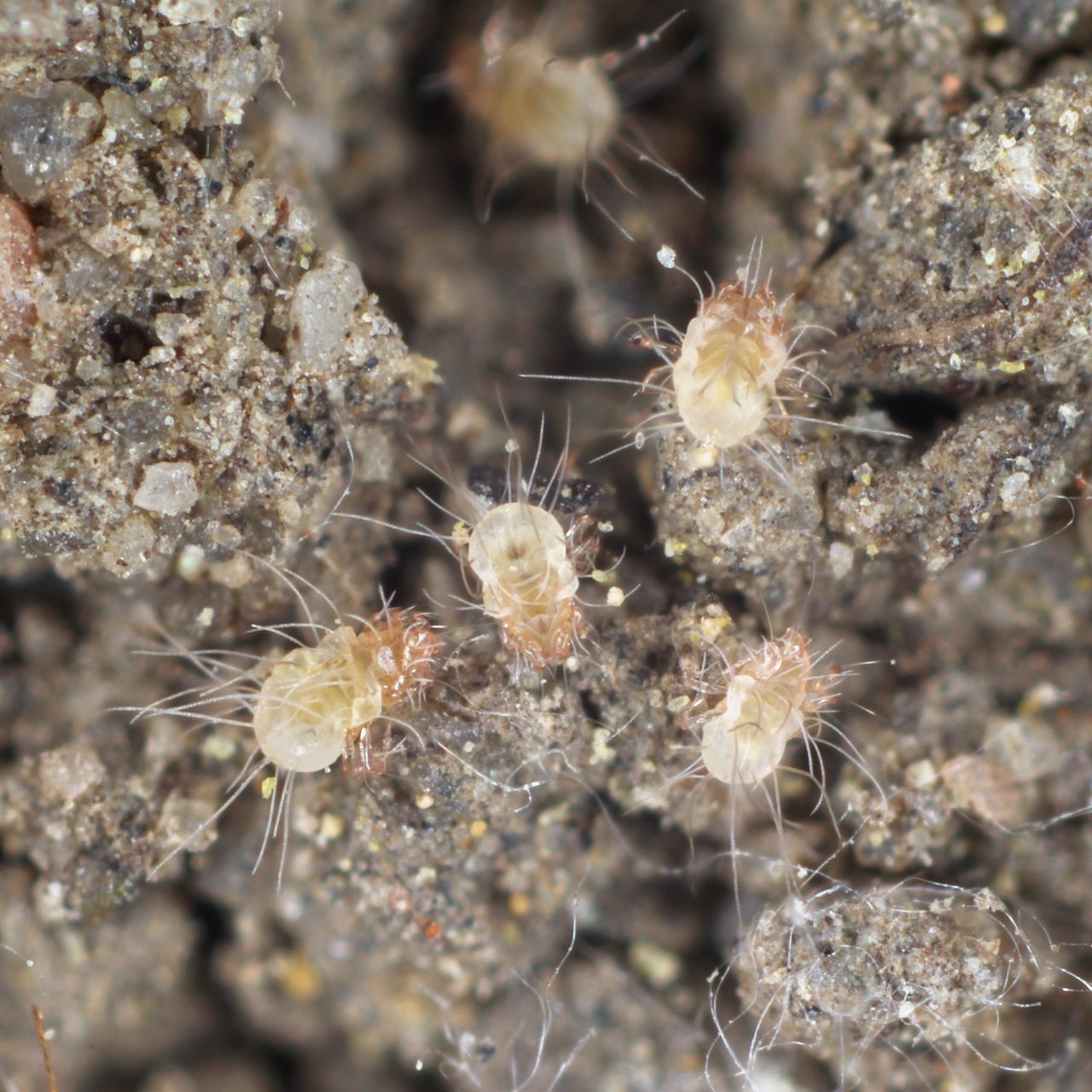
Appearance:
- Measure 0.2-0.3 millimeters
- Translucent bodies with eight legs (arachnids)
Habitat:
- Thrive in warm, humid environments
- Found in bedding, mattresses, carpets, upholstered furniture
Diet:
- Feed on human and pet skin cells
- Consume fungal spores and dust debris
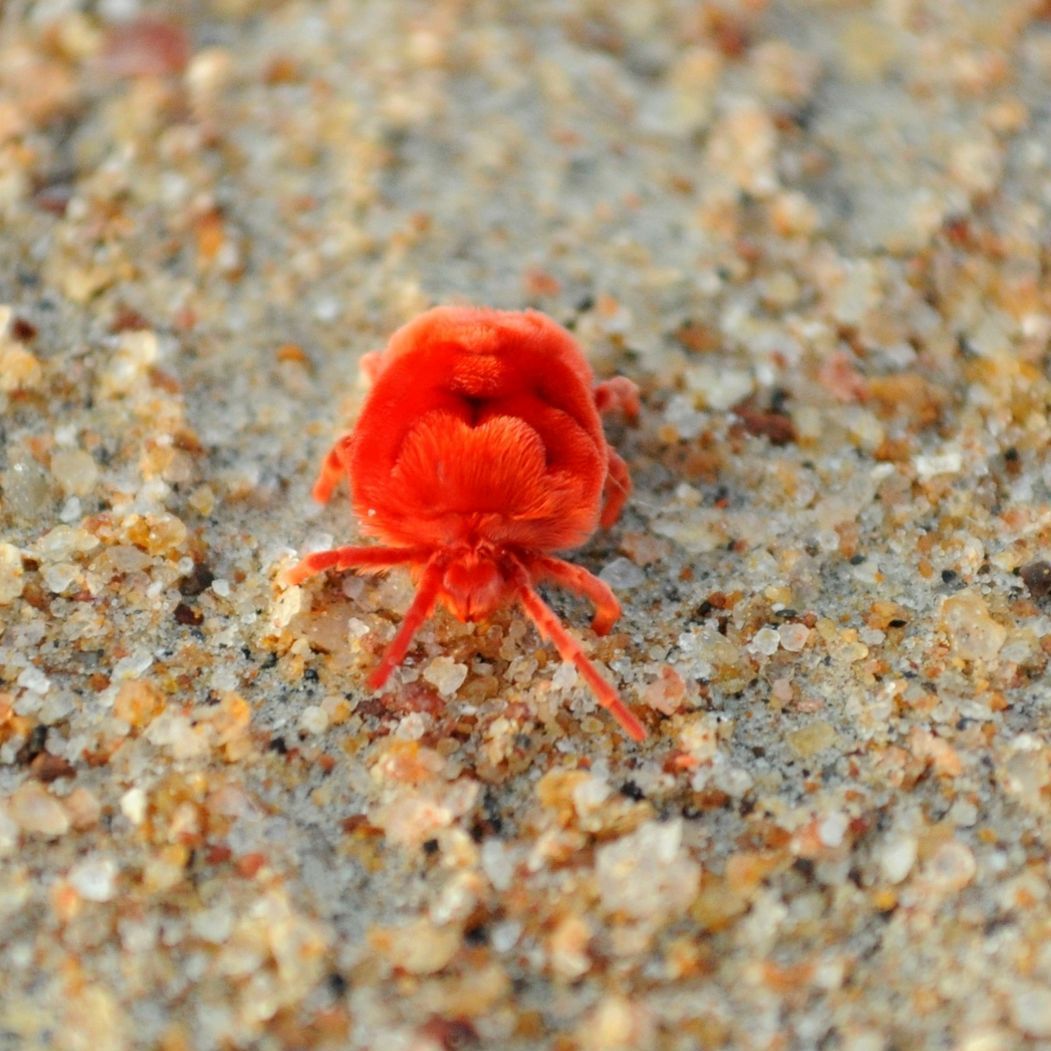
Appearance:
- Adults measure about 0.5 millimeters
- Females larger than males
- Oval-shaped bodies ranging red to orange
Habitat:
- Infest ornamental plants, fruit trees, crops
- Located on leaf undersides
Feeding Behavior:
- Pierce plant cells with specialized mouthparts
- Cause stippling, discoloration, defoliation in severe cases